

We previously delved into the haunting world of sporror with 3 Freaky & Frightening Fungi, but in all fairness, not all fungi are malevolent. Hidden in the dark embrace of the soil are the unsung heroes—beneficial fungi—that weave an intricate web of health and vitality for their botanical companions. Among these silent guardians, mycorrhizal fungi, Trichoderma, saprophytic fungi, arbuscular mycorrhizal fungi (AMF), and endophytic fungi perform a symphony of transformative magic, ensuring that the garden thrives under the moon’s watchful eye.
I saw patches of fungus and lichen, which had never been there before, crawling along the walls like monstrous green specters…
“The Willows” by Algernon Blackwood
Table of Contents
Mycorrhizal Fungi: The Symbiotic Magicians
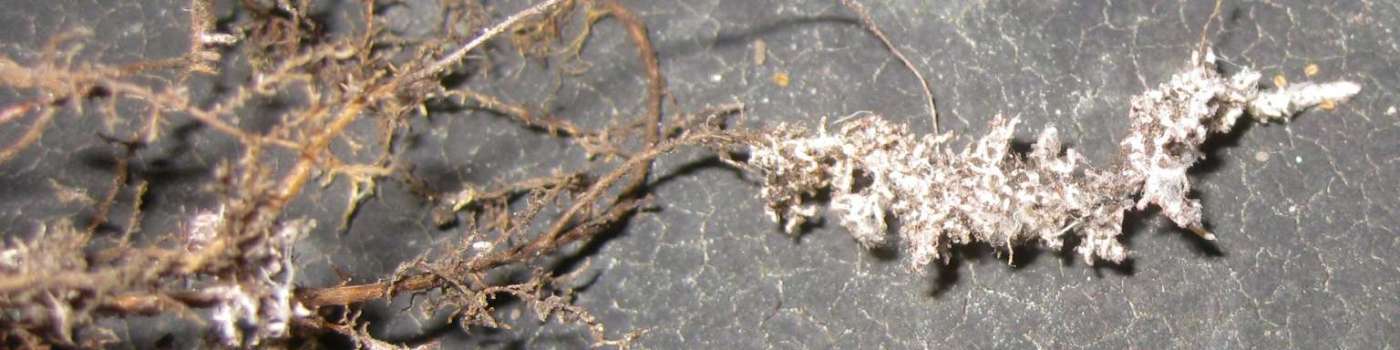
Mycorrhizal fungi are the symbiotic magicians of the plant world. These fungi form a mutualistic relationship with plant roots, extending their hyphae far into the soil to access essential nutrients and water. In return, the plants provide the fungi with carbohydrates formed during photosynthesis. This relationship enhances the plant’s ability to absorb nutrients such as phosphorus and nitrogen, crucial for robust growth. Mycorrhizal fungi also increase the plant’s tolerance to drought by improving water uptake and retention while strengthening plant defenses against soil-borne pathogens.
Mycorrhizal fungi can breathe life into the shadows of a gothic garden. By ensuring that plants receive the nutrients they need to thrive, these fungi foster lush, vigorous growth. Imagine dark, velvety foliage and vibrant, night-blooming flowers—mycorrhizal fungi help create this hauntingly beautiful atmosphere.
For optimal effect, inoculate the soil with mycorrhizal spores before planting or use mycorrhizal-enhanced potting mixes. Here’s how you can do it, according to GreenEden Natural Plant and Soil Care:
Inoculating Soil with Mycorrhizal Spores
- Choose the Right Spores: Purchase mycorrhizal spores suitable for your plant type. These are often available at garden centers or online.
- Prepare the Soil: Before planting, mix the mycorrhizal spores with non-chlorinated water to create a solution. Chlorine in tap water can harm the spores.
- Apply the Solution: Pour the spore solution directly onto the soil or use it as a root drench when planting. Ensure the solution makes direct contact with the plant roots.
- Water Well: After applying the spores, water the soil thoroughly to help the spores establish and spread.
- Maintenance: For best results, reapply the spores every 10-14 days during the plant establishment period.
Using Mycorrhizal-Enhanced Potting Mixes
- Select a Quality Mix: Choose a potting mix that already contains mycorrhizal fungi. These mixes are specifically formulated to support plant health.
- Planting: Use the mycorrhizal-enhanced potting mix when planting your seeds or seedlings. The fungi in the mix will naturally colonize the plant roots.
- Watering: Keep the soil consistently moist but not waterlogged. This helps the fungi establish and thrive.
- Ongoing Care: Continue to monitor soil moisture and provide nutrients as needed. The mycorrhizal fungi will help the plants absorb nutrients more efficiently.
By following these steps, you can create a thriving environment for your plants, ensuring they receive the nutrients and water they need to grow strong and healthy.
Trichoderma: The Guardian Fungi

Trichoderma is a genus of fungi known for its role in biological control, colonizing plant roots, promoting growth, and protecting against a range of soil-borne diseases. Trichoderma outcompetes harmful pathogens in the soil, reducing the incidence of root rot and other diseases. It also stimulates root growth and increases nutrient uptake, leading to healthier plants, and improves the plant’s ability to withstand environmental stresses such as drought and poor soil conditions.
By incorporating Trichoderma into a gothic garden, gardeners enlist a vigilant guardian that ensures plants remain healthy and resilient. Applying Trichoderma spores to the soil or using it as a soil drench can establish its beneficial presence. Here are steps you can take to accomplish these feats:
Applying Trichoderma Spores to the Soil
- Choose the Right Spores: Purchase Trichoderma spores suitable for your plant type. Trichoderma harzianum T-22 is a popular strain known for its effectiveness.
- Prepare the Soil: Before planting, mix the Trichoderma spores with non-chlorinated water to create a solution. Chlorine in tap water can harm the spores.
- Apply the Solution: Pour the spore solution directly onto the soil or mix it into the planting hole when you plant your seeds or seedlings. Ensure the solution makes direct contact with the plant roots.
- Water Well: After applying the spores, water the soil thoroughly to help the spores establish and spread.
- Maintenance: For best results, reapply the spores every 10-14 days during the plant establishment period.
Using Trichoderma as a Soil Drench
- Prepare the Suspension: Mix a Trichoderma suspension with water according to the product instructions. This usually involves dissolving a specific amount of Trichoderma powder in water.
- Apply the Drench: Pour the Trichoderma solution directly around the base of the plant, ensuring it reaches the root zone. This method is particularly effective for established plants that are prone to soil-borne diseases.
- Soil Absorption: Allow the soil to absorb the solution thoroughly. This helps the Trichoderma spores colonize the root zone and outcompete harmful pathogens.
- Regular Application: For ongoing protection, apply the Trichoderma drench every 2-4 weeks or as recommended by the product instructions.
By following these steps, you can create a healthier growing environment for your plants, promoting robust growth and reducing the risk of disease.
Saprophytic Fungi: The Decomposers of the Underworld

Saprophytic fungi, the decomposers of the underworld, play a vital role in breaking down organic matter such as dead plants and leaves into simpler compounds that enrich the soil. This decomposition process not only releases nutrients back into the soil but also improves soil structure, enhancing aeration and water retention.
In the context of a gothic garden, saprophytic fungi add a touch of dark magic by transforming decay into life. The presence of these fungi ensures that the soil remains fertile and rich, supporting the growth of the garden’s most macabre and beautiful inhabitants.
Gardeners can encourage saprophytic fungi by adding organic mulch, compost, and leaf litter to their garden beds. Here’s how to create the perfect environment for these beneficial decomposers:
- Add Organic Matter: Organic matter is the key to fostering saprophytic fungi. Incorporate compost, leaf mulch, straw, and decomposing plant material into your soil. These materials provide the necessary nutrients for fungi to thrive.
- Maintain Soil Moisture: Saprophytic fungi require a moist environment to break down organic matter. Keep the soil consistently moist, but not waterlogged. Regular watering, especially during dry periods, will help maintain the ideal moisture level.
- Avoid Disturbing the Soil: Frequent tilling or disturbing the soil can disrupt the fungal networks. Try to minimize soil disturbance to allow the fungi to establish and spread. No-till gardening methods are beneficial for encouraging fungal growth.
- Mulch Appropriately: Apply a thick layer of organic mulch around your plants. Wood chips, straw, and leaf litter are excellent choices. Mulch not only provides a food source for fungi but also helps retain soil moisture.
- Create a Suitable Habitat: Fungi thrive in shaded, cool environments. Ensure your garden has areas of dappled shade and avoid exposing the soil to direct sunlight for extended periods. Planting shade-loving plants and using ground cover can help maintain a favorable environment.
- Use Fungal Inoculants: Fungal inoculants can introduce beneficial saprophytic fungi to your garden. These inoculants are available in garden centers and can be applied directly to the soil or compost heap. Follow the product instructions for the best results.
- Provide a Carbon Source: Saprophytic fungi need a carbon source to thrive. Adding woody materials, like small branches and twigs, to your compost or garden beds can help provide this essential nutrient.
By following one or more of these steps, you can start a thriving environment for saprophytic fungi, turning decay into life and enriching your gothic garden.
Arbuscular Mycorrhizal Fungi (AMF): The Root Enhancers

Arbuscular mycorrhizal fungi (AMF) penetrate plant root cells, forming arbuscules that facilitate the exchange of nutrients between the fungi and the host plant. This relationship significantly increases the absorption of phosphorus, zinc, and other essential nutrients, promoting robust plant growth and resilience to stress.
AMF contribute to soil aggregation, improving soil structure and reducing erosion. In a gothic garden, AMF create an intricate, invisible network that sustains the vitality of the plants, ensuring a thriving, verdant haven.
Gardeners can use AMF inoculants when planting or mix them into the soil around established plants. Here’s a detailed guide:
Using AMF Inoculants When Planting
- Choose the Right Inoculant: Select a high-quality AMF inoculant suitable for your plant type. These are available in powder, granular, or liquid form at garden centers and online.
- Prepare the Planting Hole: Dig the planting hole for your seedling or transplant.
- Apply the Inoculant:
- Powder or Granular Form: Sprinkle the AMF inoculant directly into the planting hole. Ensure it comes into contact with the plant roots. Use the recommended amount based on the product instructions.
- Liquid Form: Mix the liquid inoculant with water as per the instructions and pour it into the planting hole, making sure it saturates the root zone.
- Plant and Water: Place the seedling or transplant into the hole, cover the roots with soil, and water thoroughly to help the inoculant establish and spread.
Mixing AMF Inoculants into the Soil Around Established Plants
- Choose the Right Inoculant: Select a high-quality AMF inoculant suitable for your plant type, available in powder, granular, or liquid form.
- Prepare the Soil: Gently loosen the soil around the established plant without disturbing the roots too much.
- Apply the Inoculant:
- Powder or Granular Form: Sprinkle the AMF inoculant evenly around the base of the plant. You can also make small holes around the plant and place the inoculant inside to ensure it reaches the root zone.
- Liquid Form: Mix the liquid inoculant with water according to the product instructions. Pour the solution evenly around the base of the plant, ensuring it saturates the root zone.
- Cover and Water: Lightly cover the inoculant with soil and water thoroughly to help it establish and spread.

Maintenance and Best Practices
- Reapplication: For ongoing benefits, reapply the inoculant as recommended by the product instructions, typically every 6-12 months.
- Soil Health: Maintain healthy soil by adding organic matter such as compost and mulch to support the fungal network.
- Avoid Chemical Fertilizers: Overuse of chemical fertilizers can harm mycorrhizal fungi. Use organic or balanced fertilizers sparingly.
By following these steps, you can ensure that your gothic garden thrives with the help of AMF inoculants, creating a robust and enchanting sanctuary.
Endophytic Fungi: The Hidden Allies

Endophytic fungi, the hidden allies, live within plant tissues without causing harm, forming symbiotic relationships with their host plants. These fungi enhance plant growth by producing growth-promoting hormones and improving nutrient uptake. They also increase the plant’s resistance to pathogens by producing antimicrobial compounds and improve the plant’s ability to withstand environmental stresses such as drought, salinity, and extreme temperatures.
In a gothic garden, endophytic fungi work unseen to ensure that plants remain healthy and resilient, allowing the garden to flourish in all its dark splendor. Introducing endophytic fungi can be achieved by planting seeds or cuttings treated with endophyte inoculants. Here’s a step-by-step guide on how to do it:
- Choose the Right Endophytic Fungi: Select endophytic fungi that are compatible with your plant species. These fungi can be obtained from specialized suppliers or garden centers. Look for strains known to promote plant growth and provide resistance to environmental stresses.
- Prepare the Inoculant: Endophytic fungi are often available in powder or liquid form. Follow the product instructions to prepare the inoculant. This may involve mixing the powder with water or diluting a liquid concentrate.
- Apply to Seeds or Seedlings: For seeds, sprinkle the endophytic inoculant directly onto the seeds before planting. For seedlings, gently coat the roots with the inoculant solution before transplanting them into the soil.
- Planting: Plant the seeds or seedlings as you normally would. Ensure that the inoculant makes good contact with the roots to facilitate colonization.
- Maintain Soil Health: Keep the soil well-aerated and moist to support the growth of endophytic fungi. Avoid overuse of chemical fertilizers and pesticides, as these can harm beneficial fungi.
- Monitor Plant Health: Observe your plants for signs of improved growth, increased resistance to pests and diseases, and overall vigor. Endophytic fungi can help plants better withstand environmental stresses such as drought and salinity.
- Reapplication: For ongoing benefits, reapply the endophytic inoculant as recommended by the product instructions. This may be necessary every growing season or as needed.
By following these steps, you can introduce endophytic fungi to your garden and create a healthier, more resilient plant environment.
Adding Fungi to Your Gothic Garden
To harness the power of these beneficial fungi in a gothic garden, gardeners should enrich their soil with organic matter such as compost and leaf mulch to create a hospitable environment. Using commercially available fungal inoculants can introduce mycorrhizal fungi, Trichoderma, AMF, and endophytic fungi into the garden.

Pairing fungi-friendly plants like Rhododendron augustinii and Rhododendron cobbleri (aka Blue Azalea) with night-blooming species can create a symbiotic ecosystem, while applying organic mulch around plants can encourage saprophytic fungi and improve soil health.
Incorporating these fungi into a gothic garden will not only enhance its visual and aromatic allure but also ensure that it remains a thriving, healthy sanctuary for years to come. By embracing the hidden magic of fungi, gardeners can create a garden that is both enchanting and ecologically robust.