

While they haven’t been part of the flora kingdom since they were granted a kingdom of their own, frightening fungi have a special place here at Flora Macabre. Since the age of Aristotle, these molds, mushrooms, and yeasts were considered a branch of botany, but officially belong to the Funga kingdom of life as of August 2021. Fungi do not photosynthesize like most plants do, and it’s been discovered that they share more in common with the animal kingdom (Fauna) than the Flora kingdom.
Minute fungi overspread the whole exterior, hanging in a fine tangled web-work from the eaves. Yet all this was apart from any extraordinary dilapidation.
EDGAR ALLAN POE (The Fall of the House of Usher)
Table of Contents
Deadly Fungi Trends
Fungi – particularly killer fungi – have been garnering quite a bit of attention these days:
- The 2013 video game-turned-television series “The Last of Us” on HBO gives us a glimpse of what could happen to the human race if Ophiocordyceps unilateralis evolves the capability to infect people the way it infects some insects,
- In October 2022, the World Health Organization (WHO) released its first-ever list of of health-threatening fungi,
- Erin Patterson of Leongatha, Australia gained notoriety in 2023 news cycles as “The Mushroom Killer” after serving Beef Wellington with Amanita phalloides (the death cap mushroom) at a family lunch that left three dead,
- and NPR ran a segment on Morning Edition in February 2024 touting the recent rise in popularity of the “magic mushrooms” street drug, a hallucinogenic Psilocybe variety that has been used in spiritual and recreational practices for over 6000 years.
![The Last Of Us: The Complete First Season [4K Uhd]](https://floramacabre.com/wp-content/plugins/aawp/public/image.php?url=YUhSMGNITTZMeTl0TG0xbFpHbGhMV0Z0WVhwdmJpNWpiMjB2YVcxaFoyVnpMMGt2TlRGUVVXaFVWMFk1Wmt3dWFuQm58MTc4MzQ4NDM2Nw= "3 Freaky &Amp; Frightening Fungi")
Should these trends continue, here are a few other fascinating and frightening fungi that may be next to share the limelight:
Clathrus archeri (Devil’s Fingers)
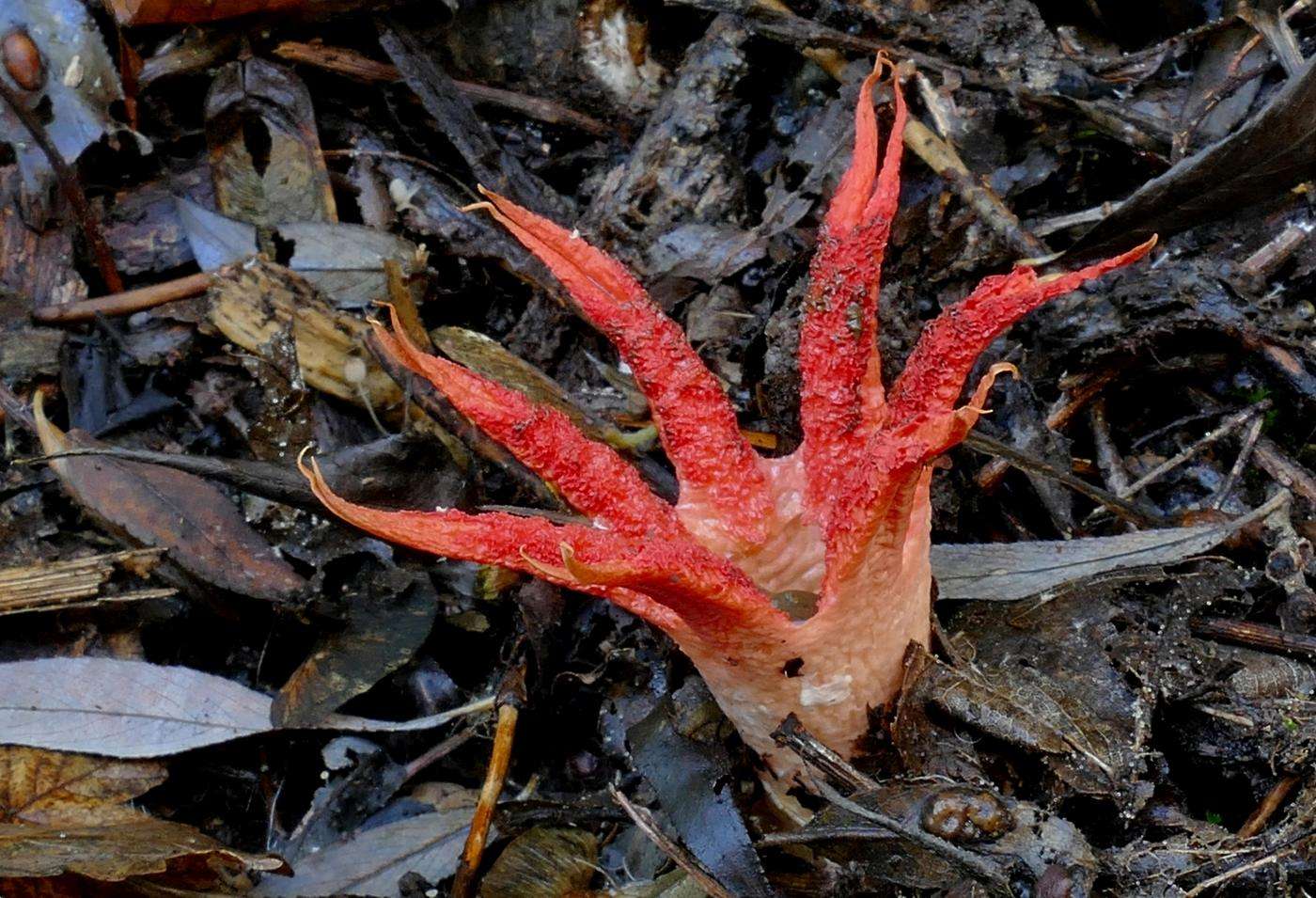
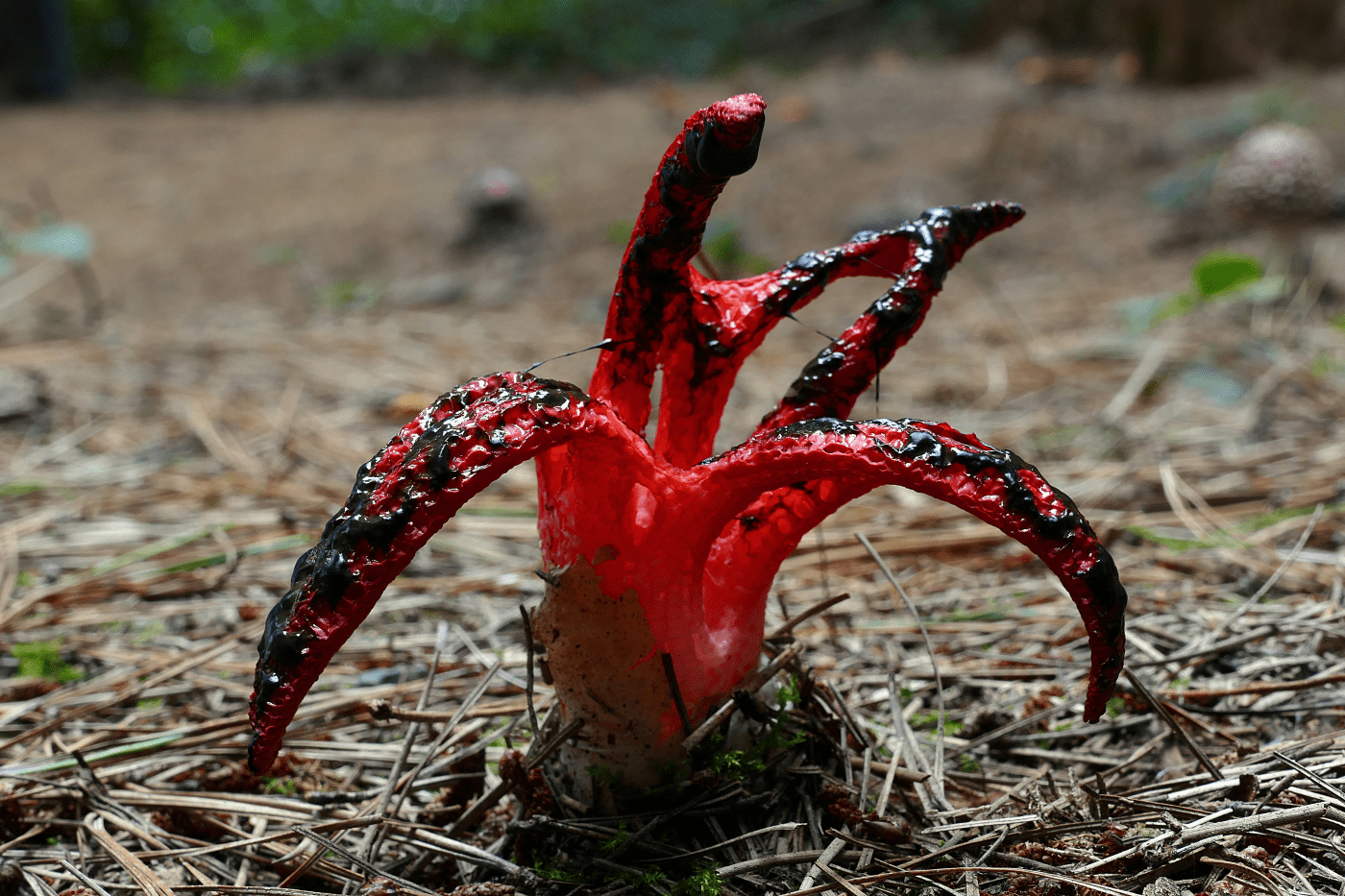

Clathrus archeri, often referred to as octopus staghorn or devil’s fingers, looks to be the stuff nightmares are made of. Unsuspecting hikers could easily mistake this eldritch horror for a demonic entity reaching up from the infernal depths to drag them to hell. Looks can be deceiving, however, especially in the fungal kingdom.
Devil’s fingers may resemble Lovecraftian tentacles, Mephistophelian hands, or face-huggers from the Alien movie franchise – did I mention it bursts forth from eggs? – but it’s mostly harmless. Last I checked, this staghorn fungus won’t kill you, steal your soul, or plant alien eggs inside you. It does smell like rotting flesh when fully mature, though, and it’s sure to give you a good scare!

Clathrus archeri typically grows from decaying vegetation in high-moisture areas of woodlands and grasslands. It’s believed to be native to Australia, New Zealand, and parts of South Africa. As most invasive species do, devil’s fingers has spread globally over the past century, so this freaky fungus may be closer to you and your loved ones than you think. Probably best to keep any sightings at an arm’s length or two – just in case.
Gyromitra esculenta (Brain Mushroom)
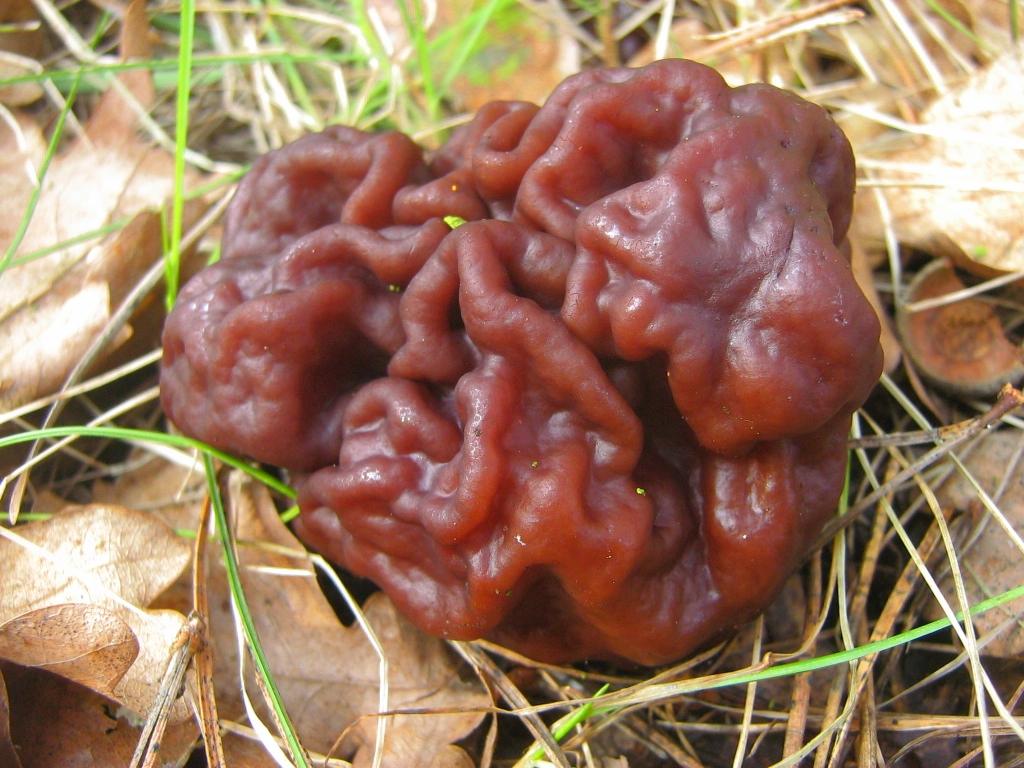
Most deadly fungi that are big enough to see, like death caps and destroying angels, look innocent, plain and harmless. Gyromitra esculenta looks like a bloody brain that’s coagulated, which should immediately tell you that this fungus is not to be messed with. Sometimes referred to as elephant ears or brain mushroom, this false morel is potentially deadly when eaten, so unless you’re a zombie these brains are off-limits.
![Night Of The Living Dead (The Criterion Collection) [4K Uhd]](https://floramacabre.com/wp-content/plugins/aawp/public/image.php?url=YUhSMGNITTZMeTl0TG0xbFpHbGhMV0Z0WVhwdmJpNWpiMjB2YVcxaFoyVnpMMGt2TlRGMlpuQmhaSGx5V2t3dWFuQm58MTc4MzQ4NDM2Nw= "3 Freaky &Amp; Frightening Fungi")

Readily found in spring and summer among North American and European coniferous trees like pines, redwoods, cedars, and firs, this fungus is considered a delicacy by some, even though cooking it does not always remove the toxins fully. Eating the false morel raw, however, will likely result in vomiting and diarrhea several hours after consumption. Those symptoms are soon followed by dizziness or vertigo, lethargy and headache, and in the worst cases by delirium, coma, and death after five to seven days.
Gyromitra esculenta may cause cancer and has been linked to the neurodegenerative disease amyotrophic lateral sclerosis (ALS), known as Lou Gehrig’s disease in the United States. Scary stuff, indeed.
Claviceps purpurea (Ergot fungus)
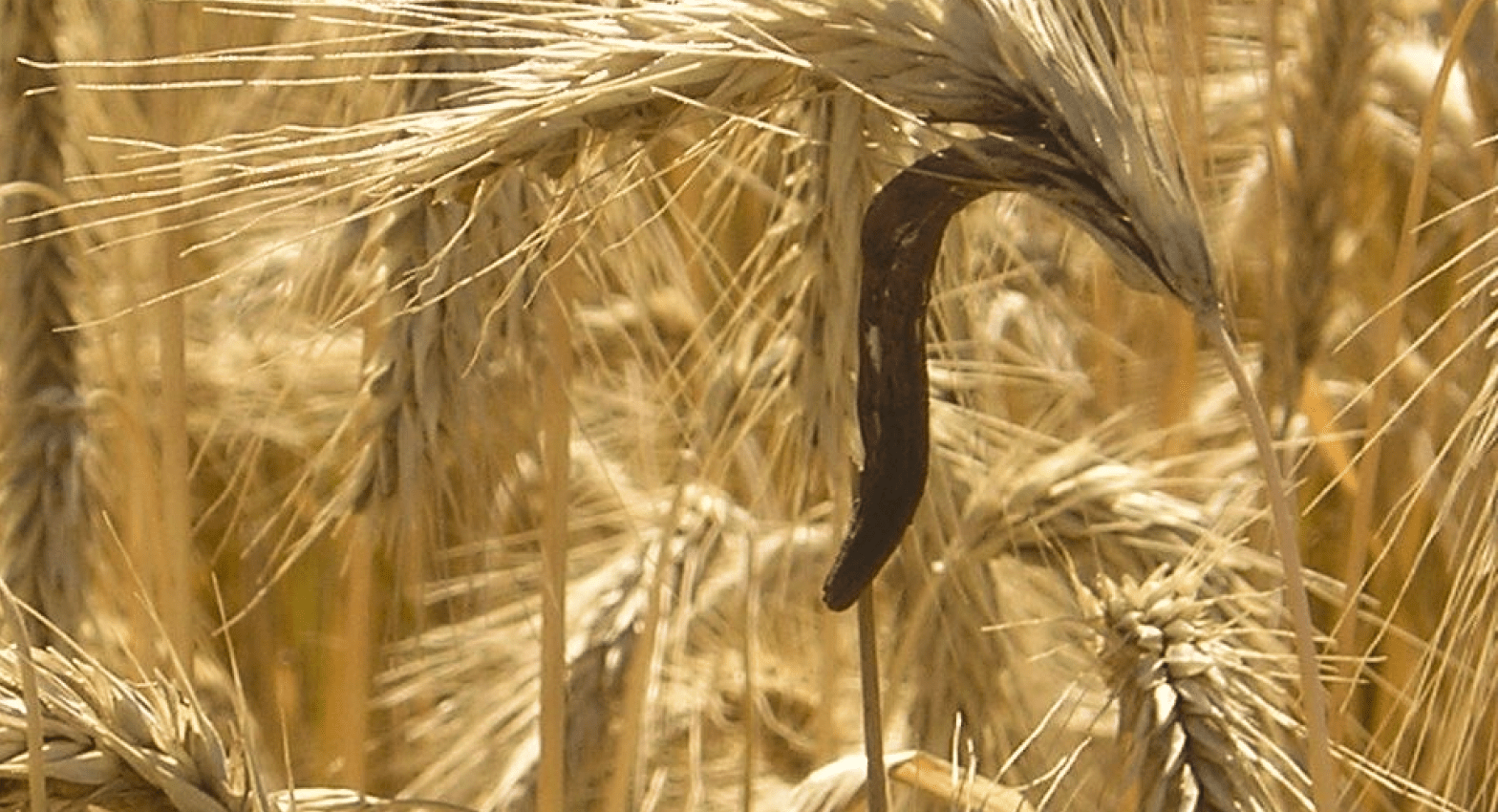
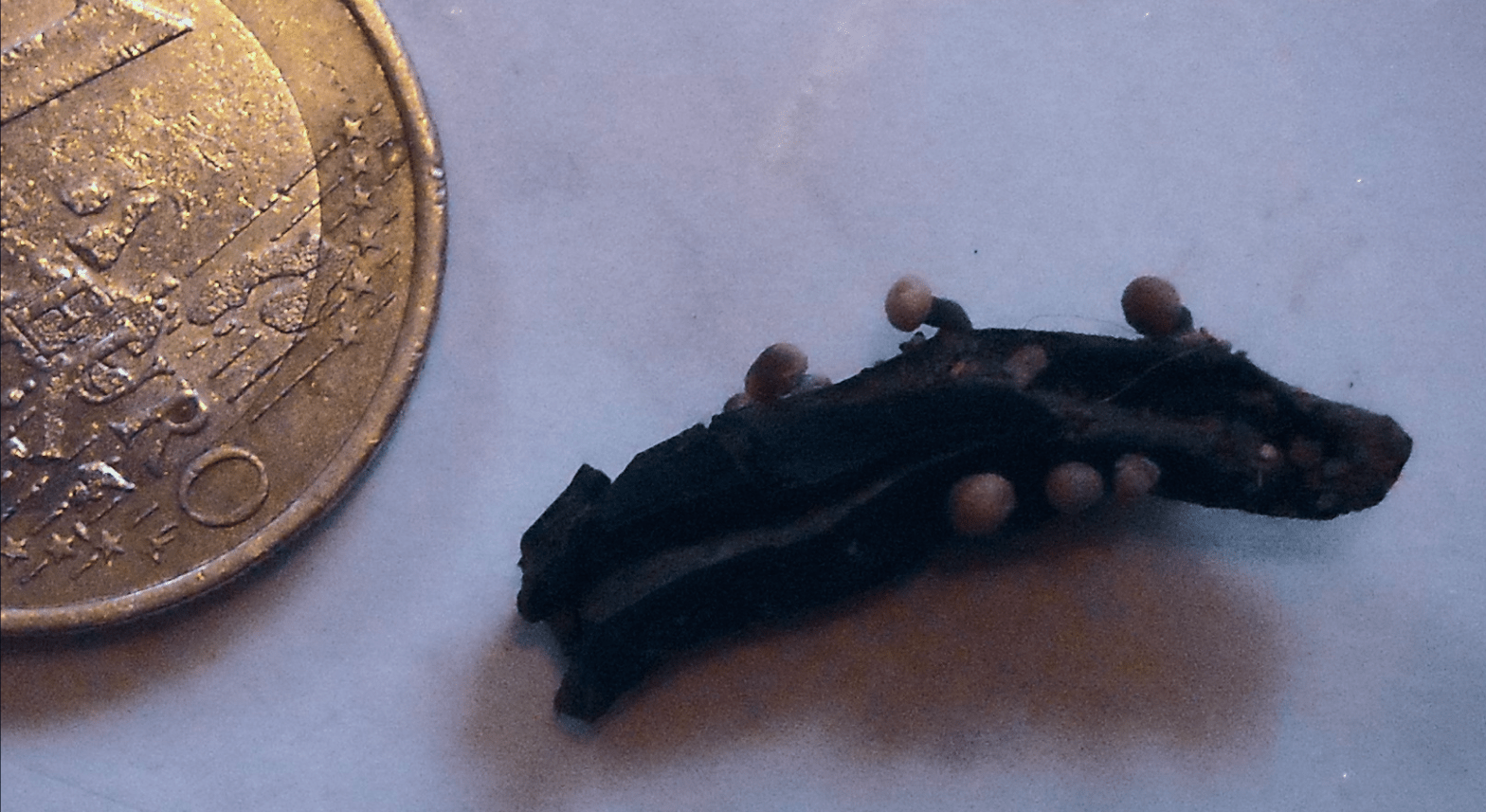
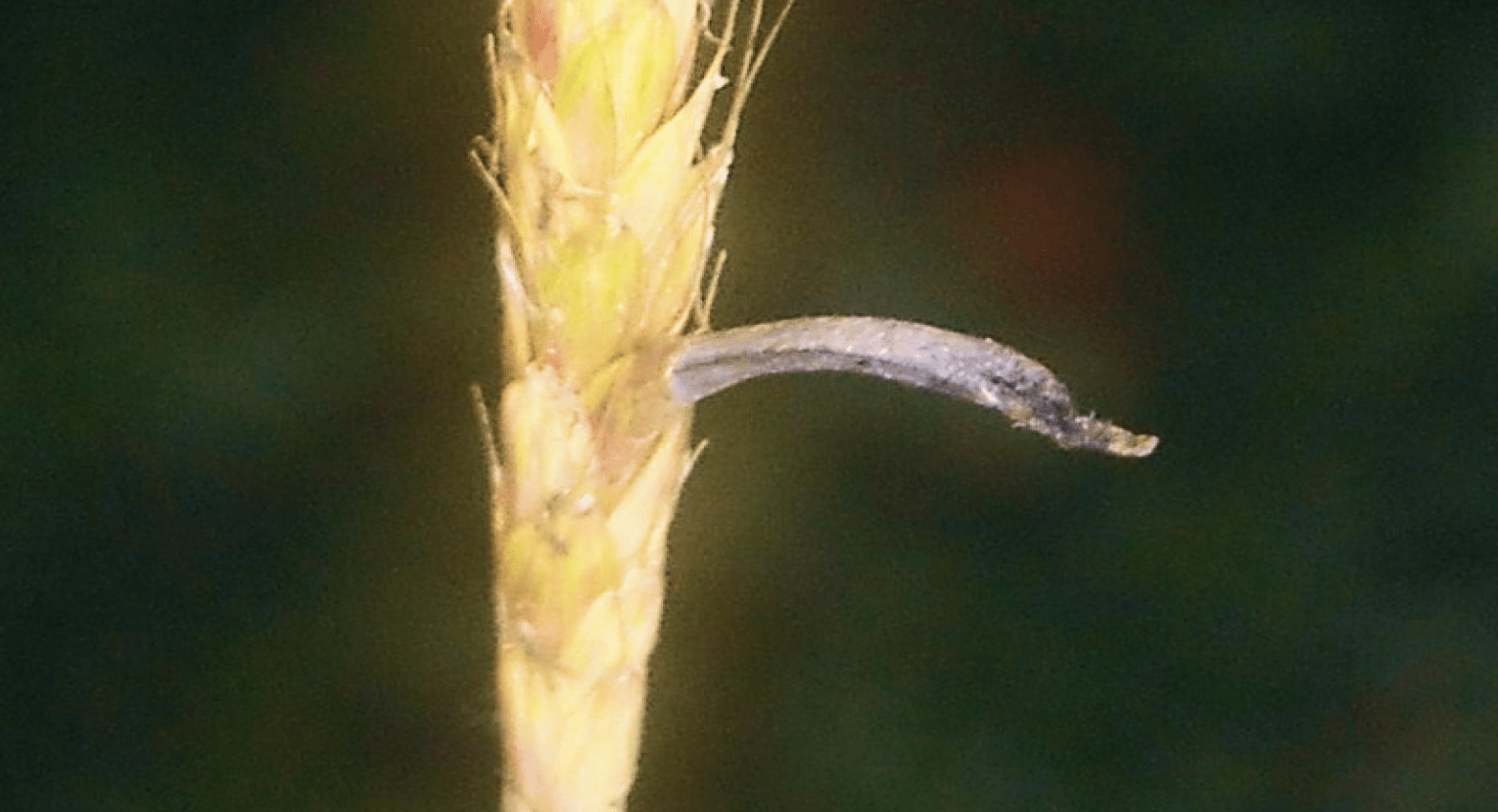
Claviceps purpurea is an ergot fungus that has plagued humankind for a very long time and is blamed for at least two historic epidemics. Claviceps purpurea has also been linked to the Salem Witch Trials, the Great Fear of the French Revolution, and Le Pain Maudit (a mass poisoning in Pont Saint Esprit in 1951). It’s a psychedelic poison, believed to have been used in ancient Greek fertility rites, and can cause hallucinations, hysterics, and irrational behavior. Consuming it can also cause death but is more likely to cause ergotism in humans.


Ergotism, also known as Saint Anthony’s Fire, has physical convulsive symptoms like spasms, nausea, diarrhea, and vomiting. It can also have mental effects such as mania and psychosis. Long-term ergot poisoning often leads to gangrenous symptoms like peeling skin, fluid retention, and the death of afflicted tissues. In Medieval times, the symptoms of ergotism often led to accusations of demonic possession or the result of witchcraft (bewitchment) and gave rise to the monastic Order of Saint Anthony that had notable success in treating sufferers, hence its moniker.
Claviceps purpurea spawns on grains such as rye and barley in cold, damp environmental conditions. Fortunately, modern farming has processes in place to eliminate the fungus from harvested crops, so the risk of consuming these fearful fungi has significantly diminished for much of the world. If you grow these types of crops on your own, best beware!

- Hardcover Book
- Billups, Carla (Author)
- English (Publication Language)