

In the serene, verdant realms of the garden, where life flourishes in a riot of colors and scents, there exists a garden maintenance practice both delicate and ruthless: deadheading. This horticultural technique, akin to the infamous guillotine, involves the removal of spent blooms to encourage further flowering and maintain a plant’s aesthetic appeal.
The Queen turned crimson with fury, and, after glaring at her for a moment like a wild beast, began screaming “Off with her head! Off with—”
Lewis CARROLL (Alice's Adventures in Wonderland)
“Nonsense!” said Alice, very loudly and decidedly, and the Queen was silent.
Table of Contents
Deadheading as Garden Maintenance
Deadheading is not merely an act of pruning; it’s a ritualistic severance that breathes new life into the garden. By excising the wilted blossoms, gardeners prevent plants from diverting energy into seed production, thereby coaxing them to produce more flowers. This continuous cycle of bloom and removal ensures a prolonged display of beauty, much like the eternal dance of life and death.
The process is simple yet precise. One must cut just below the faded flower, above the next set of healthy leaves. This act, though seemingly benign, mirrors the historical beheadings that have punctuated human history with their grim finality. Just as the guillotine’s blade fell with unerring precision, so too must the gardener’s shears.
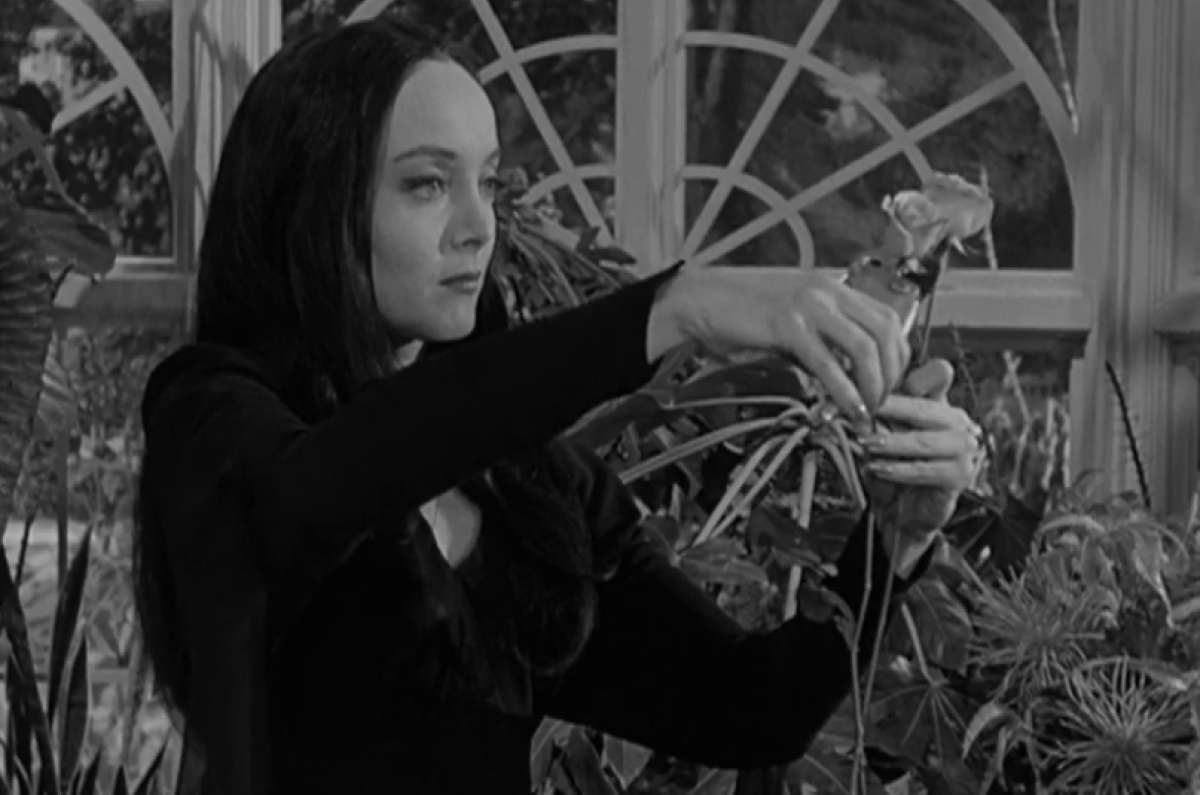


Deadheading serves multiple purposes in the garden. It not only promotes further blooming but also helps maintain the plant’s overall health. By removing dead or dying flowers, this act of garden maintenance can prevent the spread of disease and pests that might otherwise take hold. Removing plants’ heads, though seemingly harsh, is a form of care, ensuring the plant’s longevity and vitality.
In the gothic garden, deadheading takes on an almost ritualistic significance. The gardener, clad in dark attire, moves through the garden like a specter, shears in hand, severing the heads of spent blooms with a practiced grace. Each cut is a reminder of the delicate balance between life and death, beauty and decay.
Famous Beheadings: A Historical Tableau of Terror
Throughout history, the act of beheading has served as a potent symbol of power, punishment, and political intrigue. From the blood-soaked streets of revolutionary France to the shadowy execution chambers of medieval England, decapitation has left an indelible mark on the annals of human history.
The French Revolution: The Reign of the Guillotine
The French Revolution, a period of radical social and political upheaval, saw the guillotine rise as the instrument of choice for dispensing revolutionary justice. King Louis XVI and Queen Marie Antoinette, once the epitome of royal opulence, met their end beneath its blade in 1793. Their executions symbolized the fall of the Ancien Régime and the inexorable march of the revolution.


- Quality foundry cast iron collectible crafted using age old techniques
- Each piece is individually hand-finished by our artisans
- Exclusive to the Design Toscano brand and perfect for your home or garden
The guillotine, with its gleaming blade and efficient mechanism, became a symbol of the revolution’s egalitarian ideals. It was designed to deliver a swift and humane death, a stark contrast to the torturous methods of execution that had preceded it. Yet, despite its intended humanity, the guillotine’s relentless efficiency turned it into an instrument of terror, claiming thousands of lives during the Reign of Terror.
The Place de la Révolution (Revolution Square), where the guillotine was erected, became a theater of death. Crowds gathered to witness the spectacle, their cheers and jeers mingling with the dull thud of the instrument’s blade. The guillotine’s victims ranged from the nobility to commoners, their heads rolling into the basket below, a grim testament to the revolution’s insatiable hunger for justice.
Anne Boleyn: The Tragic Queen
In the court of King Henry VIII, the practice of beheading loomed large. Anne Boleyn, the second wife of Henry VIII, was executed in 1536 on charges of adultery, incest, and treason. Her death, swift and brutal, was a stark reminder of the perilous nature of courtly life and the capricious whims of the king.
Anne’s rise to power had been meteoric, her charm and intelligence captivating the king and leading to the annulment of his marriage to Catherine of Aragon. Yet, her fall was equally swift, her enemies at court seizing upon rumors and accusations to bring about her downfall.
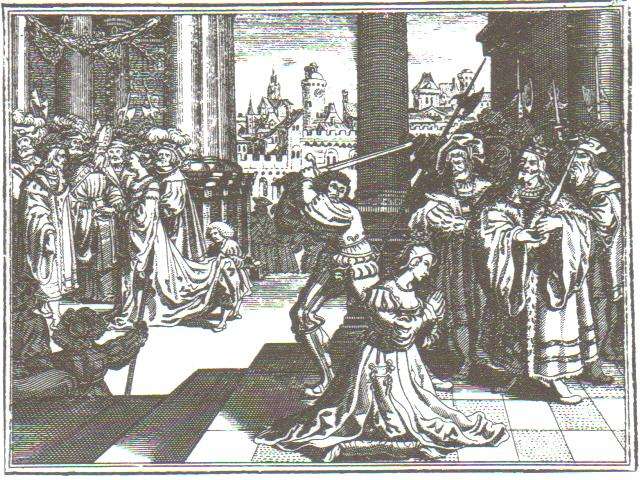
The executioner, brought from France for his reputed skill, delivered a clean blow, severing Anne’s head with a single stroke. Her body was laid to rest in an unmarked grave, her legacy forever entwined with the tumultuous history of the Tudor court.

- Abbott, Geoffrey (Author)
- English (Publication Language)
- 272 Pages – 05/01/2003 (Publication Date) – André Deutsch (Publisher)
The Beheading of Saint John the Baptist
One of the most iconic beheadings in religious history is that of Saint John the Baptist. According to biblical accounts, John was executed at the behest of Herodias, who harbored a grudge against him. His head was presented to Herodias on a platter.
John’s beheading is depicted in countless works of art, his severed head a symbol of martyrdom and sacrifice. The story, with its themes of betrayal and retribution, has resonated through the centuries, inspiring artists and writers to explore its dark and tragic dimensions.
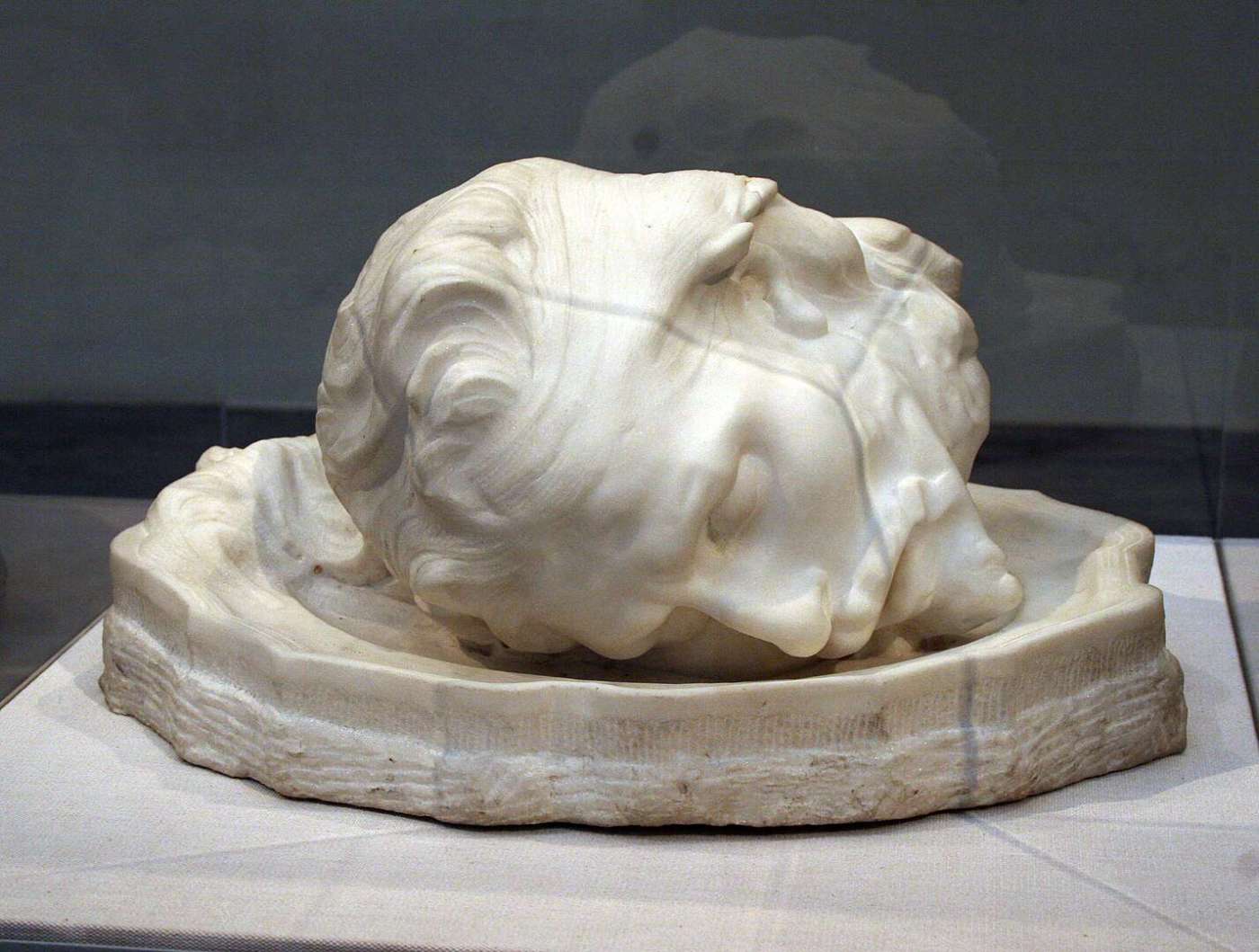


For those fascinated by the macabre, the beheading of John the Baptist takes on an almost mythic quality. The image of his head on a platter, eyes closed in eternal repose, evokes a sense of both horror and reverence. It is a reminder of the fragility of life and the ever-present specter of death.
Oliver Cromwell: Posthumous Retribution
Oliver Cromwell, the Lord Protector of England, died of natural causes in 1658. However, his body was exhumed and beheaded in 1661 after the monarchy was restored under Charles II. This posthumous execution was a symbolic act of retribution, underscoring the enduring enmity between royalists and republicans.
Cromwell’s head was placed on a spike above Westminster Hall, a grim warning to those who might challenge the restored monarchy. For years, it remained there, exposed to the elements, a macabre reminder of the turbulent times that had preceded the Restoration.
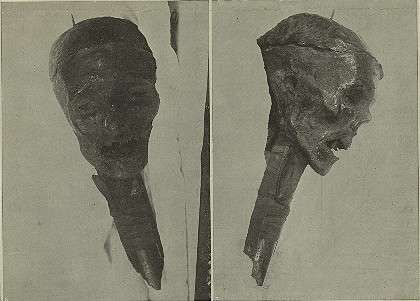
Cromwell’s severed head served as a potent emblem of the conflicts and divisions that had torn England apart. It is a reminder that the past, though buried, can never be entirely forgotten.

- Hardcover Book
- Hutton, Ronald (Author)
- English (Publication Language)

Gothic Interplay: Life, Death, and Renewal
The juxtaposition of deadheading and historical beheadings reveals a fascinating interplay between life, death, and rebirth. In the garden, the removal of spent blooms fosters new growth, a cycle of perpetual renewal. In history, beheadings often marked the end of an era, the severing of old regimes to make way for new orders.
This gothic dance of decapitation, whether in the garden or on the scaffold, speaks to the inexorable cycles of nature and human history. It is a reminder that from death springs new life, and from the ashes of the past, the future is born.
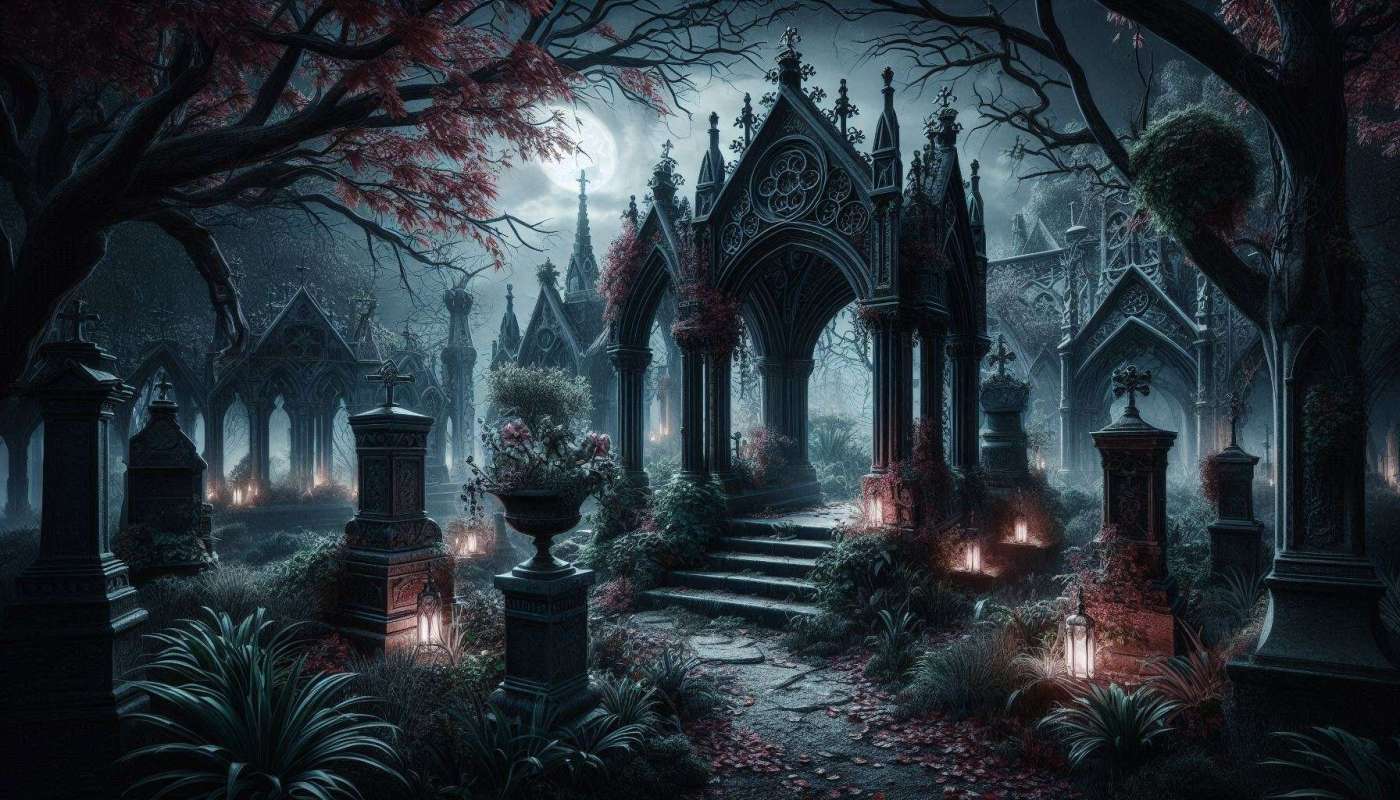

The garden becomes a microcosm of the larger world for goth gardeners, a place where the cycles of life and death play out in miniature. The act of deadheading, with its echoes of historical beheadings, becomes a meditation on the nature of existence itself.
In the end, deadheading and the grim history of beheadings converge in a dance of life and death, creation and destruction. Both acts, though seemingly disparate, share a common thread: the severing of the old to make way for the new. In the garden, the removal of spent blooms fosters a cycle of perpetual rebirth, while in history, the fall of heads often heralded the dawn of new eras.
This gothic interplay reminds us that from the shadows of death, life emerges anew, and from the remnants of the past, the future is born. In this eternal cycle, we find the essence of both horticultural practice and human history, forever intertwined in a delicate balance of splendor and ruin.

- Used Book in Good Condition
- Alexander, Rosemary (Author)
- English (Publication Language)