
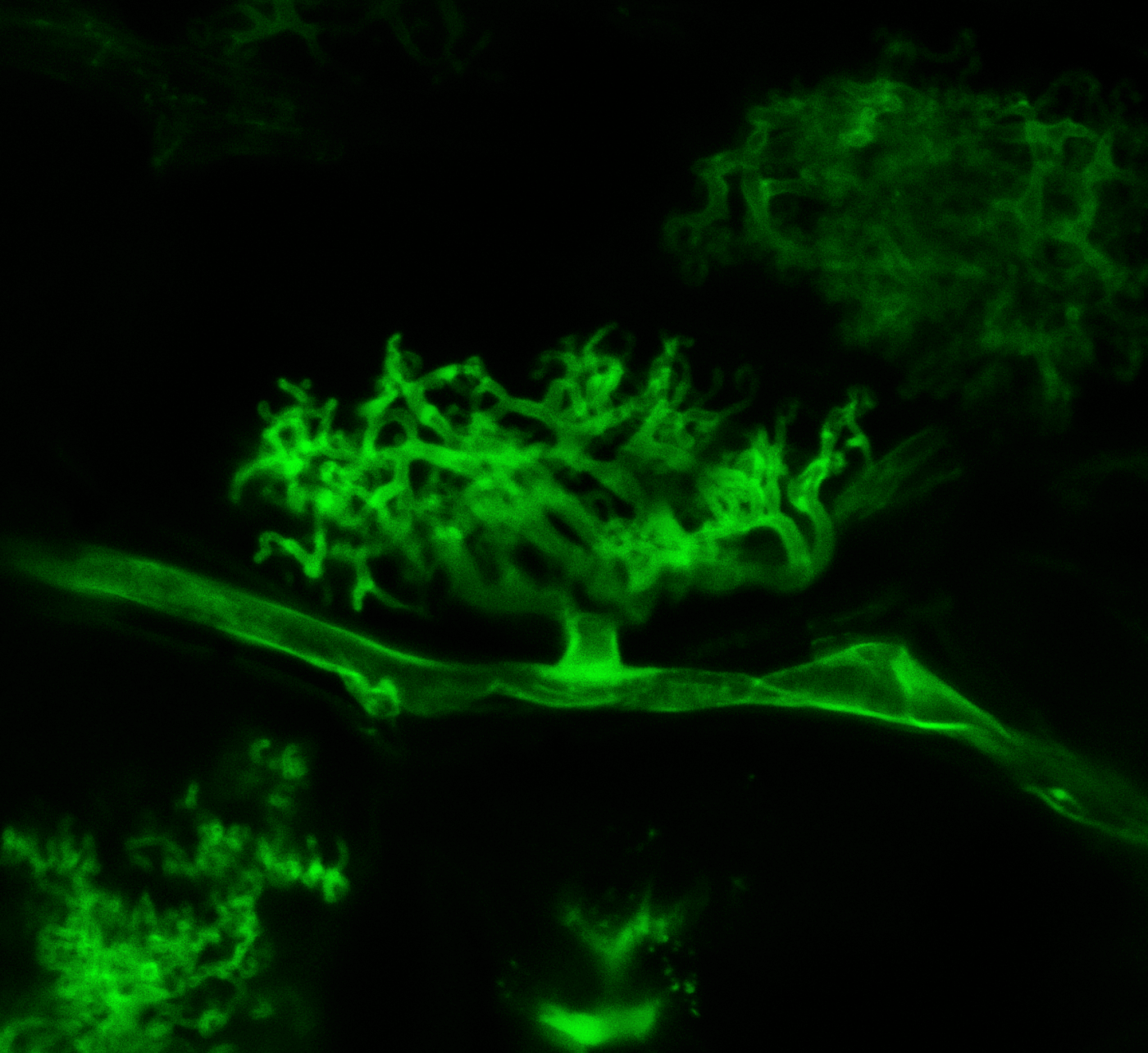
Arbuscules are structures formed by arbuscular mycorrhizal fungi (AMF) within the root cells of plants. These tiny, tree-like formations play a crucial role in the symbiotic relationship between fungi and a host plant.
Table of Contents
Common Host Plants
Many herbaceous plants, grasses, legumes, shrubs, trees, flowers, and herbs thrive through symbiotic relationships with fungi.
Herbaceous plants such as sunflowers, tomatoes, beans, carrots, and onions benefit significantly from their relationships with fungi. These connections enhance nutrient uptake and improve growth, particularly in nutrient-poor soils. Similarly, grasses like wheat, corn, rice, barley, and ryegrass benefit from fungi, enjoying increased drought resistance and better nutrient absorption.

Legumes, including peas, lentils, clover, and soybeans, form strong associations with arbuscular mycorrhizal fungi. These partnerships enhance nitrogen fixation, improving soil fertility and benefiting surrounding plants. Shrubs like blueberries, azaleas, and rhododendrons also benefit from fungal associations, particularly in acidic soils, leading to improved growth and environmental stress resistance.
Trees such as maple, birch, and apple trees often form partnerships with ectomycorrhizal fungi (fungi that envelop the roots and creating a dense network of thread-like filaments around the root tips), which improve nutrient uptake and overall tree health. Flowers like marigolds, zinnias, and petunias, along with herbs such as basil, thyme, oregano, and parsley, also thrive from fungal relationships, leading to more vigorous growth, enhanced flowering, and improved flavor.
Arbuscules are the link between fungi and the root cells of these plants that makes these benefits possible.
Function of Arbuscules
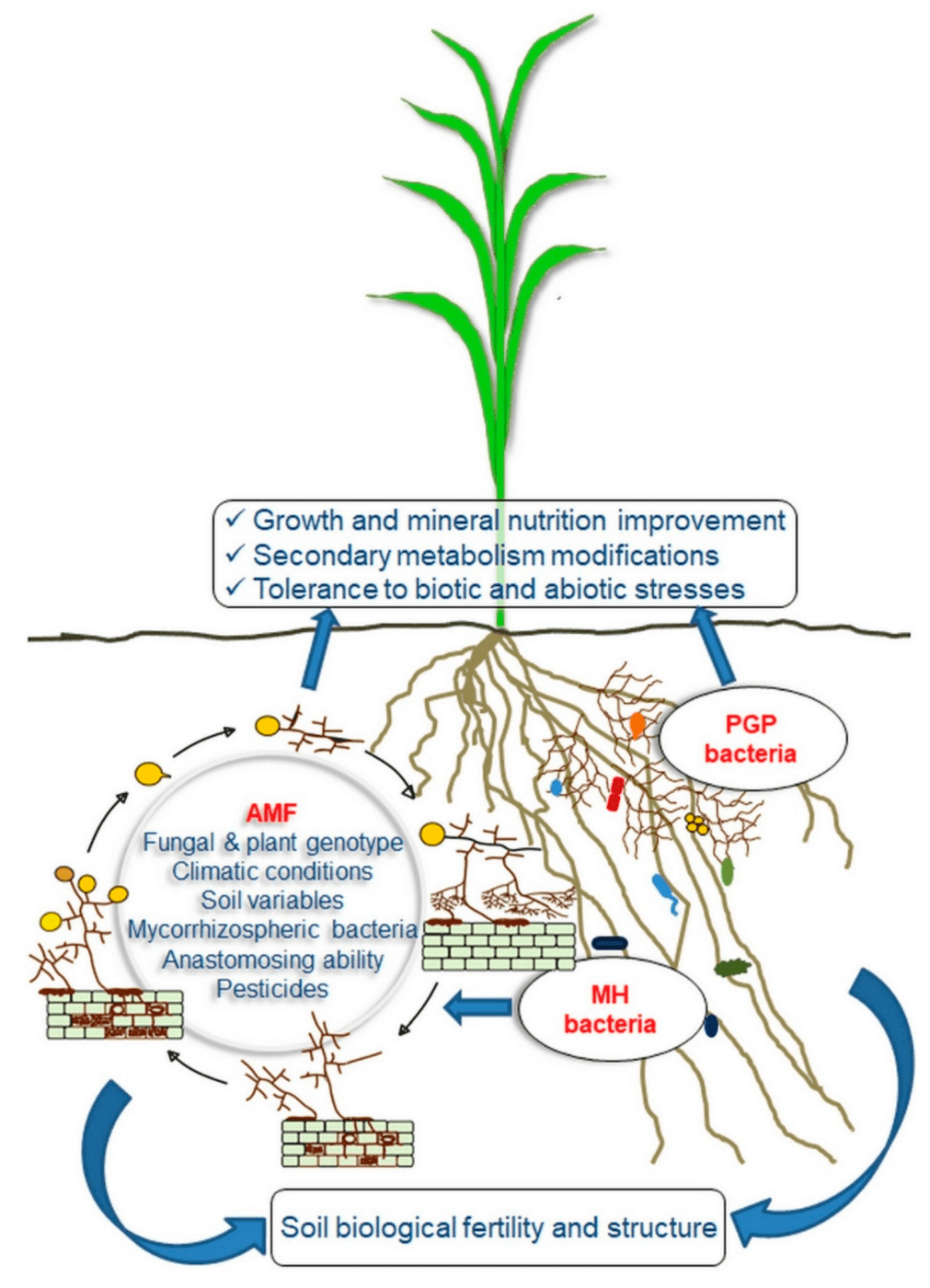
Arbuscules play a pivotal role in nutrient exchange between fungi and plants. These structures enable fungi to provide essential nutrients like phosphorus and nitrogen to the plant, while the plant supplies carbohydrates to the fungi.
By expanding the surface area within root cells, arbuscules greatly improve the plant’s ability to absorb nutrients from the soil.
Formation of Arbuscules
When arbuscular mycorrhizal fungi (AMF) colonize plant roots, they grow into the root cells and form arbuscules. This process involves the fungi penetrating the cell walls, spreading their hyphae (thread-like filaments) like ghostly fingers within the cells. The arbuscules then branch out like tiny trees, creating an extensive network that maximizes the surface area for nutrient exchange.
Significance of Arbuscules in Gothic Gardens
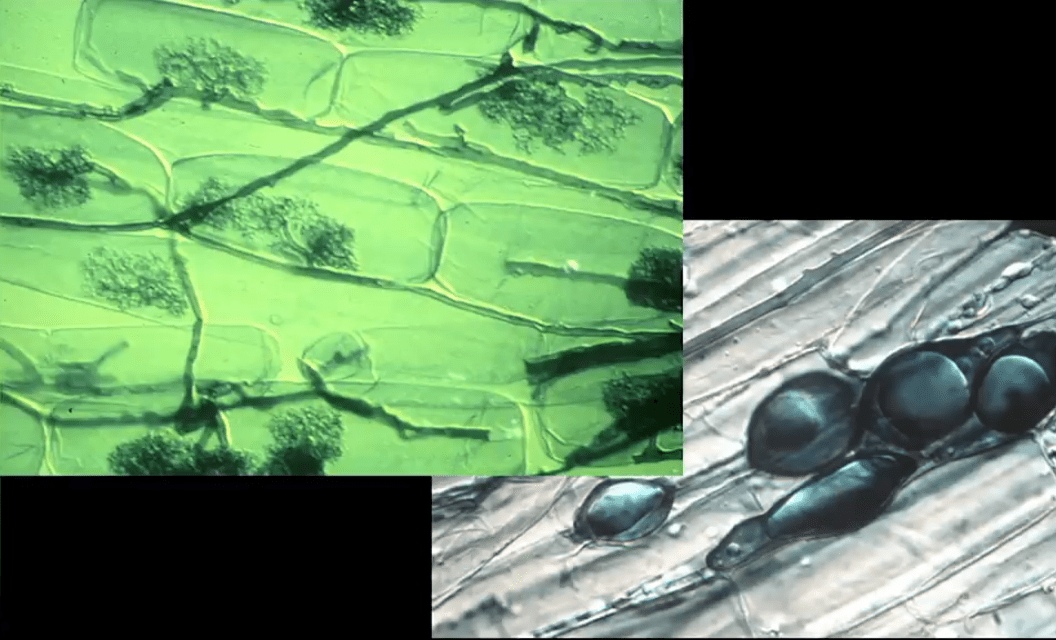
In a gothic garden, arbuscules weave through the soil like dark magic, feeding plants with essential nutrients. This remarkable underground symbiosis promotes lush and vigorous growth, enhancing the garden’s aesthetic. The arbuscules’ network doesn’t just benefit the plants; it also enriches the soil, improving nutrient cycling and soil structure. This, in turn, creates a more resilient and vibrant garden ecosystem, where every root, leaf, and tendril play a part in the glorious symphony of nature.
Understanding the role of arbuscules adds another layer of appreciation for the hidden magic at work in a garden, ensuring that even the most secluded corners thrive. By fostering healthy root systems and promoting biodiversity, arbuscules help to maintain the delicate balance of our garden ecosystems. It’s important to recognize that what lies just beneath the surface has a significant impact on the flourishing life above.