

As temperatures shift and most plant species enter winter dormancy throughout the northern hemisphere, a select few are preparing to defy the cold and bloom. These plants that bloom in winter hold a particular allure for those inclined toward the peculiar, encapsulating themes of beauty, mortality, and the otherworldly.
Hellebore (Helleborus niger), Witch Hazel (Hamamelis spp.), and Black Tulip (Tulipa ‘Queen of Night’) each possesses unique characteristics, rich symbolism, and an intricate tapestry of folklore and myth. Let’s delve into the details and explore what gives these winter-blooming plants their gothic charm.
What it’s like
“Suspiria Snow White” by The 69 Eyes
To sleep alone in the night?
What it’s like
Suspiria Snow White?
Table of Contents
Hellebore (Helleborus niger)
Known as the Christmas Rose or Lenten Rose, the hellebore blooms in the dim, frost-laden nights of winter, often pushing through the snow with its delicate white flowers. The plant’s uncanny ability to bloom in the bleakest of seasons has earned it a reputation as a symbol of hope and renewal. Yet, there’s a darker side to its story that aligns it with gothic themes.
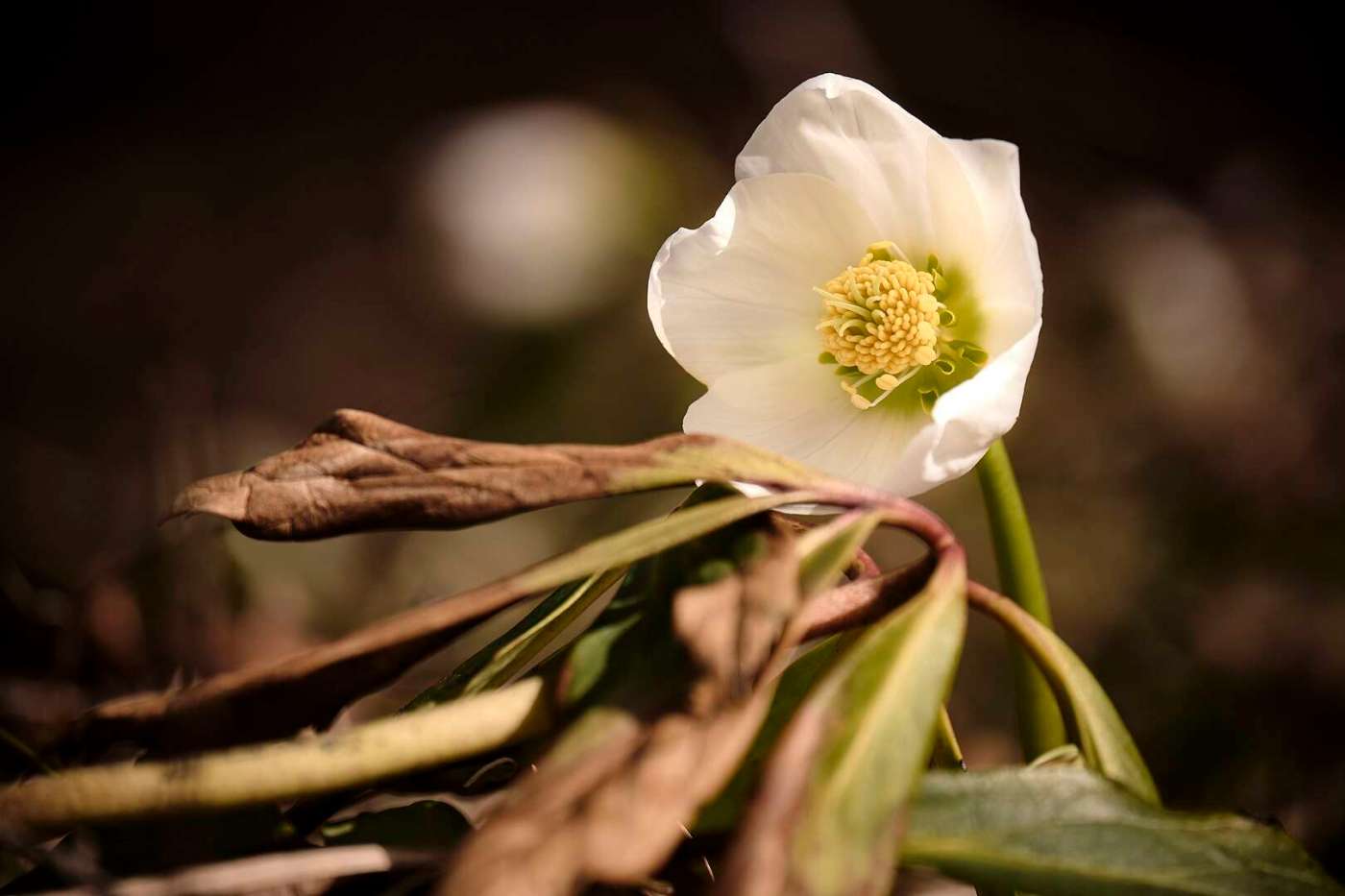
In ancient times, the hellebore was associated with witchcraft and the supernatural. It was believed to ward off evil spirits and was used in various protective rituals. The plant’s toxicity added to its mystique, as it was both a potential poison and a medicinal herb. In medieval folklore, hellebore was said to grow from the spots where witches danced, and its presence was a sign of otherworldly activity.
The hellebore’s association with witchcraft isn’t just limited to ancient times, however. In Victorian England, hellebore was believed to have the power to reveal covert witches. It was often planted near homes to ward off dark spirits and malevolent forces. The duality of the hellebore, capable of both healing and harming, gives the plant its gothic appeal. Its ethereal beauty juxtaposed with its deadly nature makes it a plant of contradictions, perfectly fitting the themes of beauty and darkness celebrated in the goth subculture.
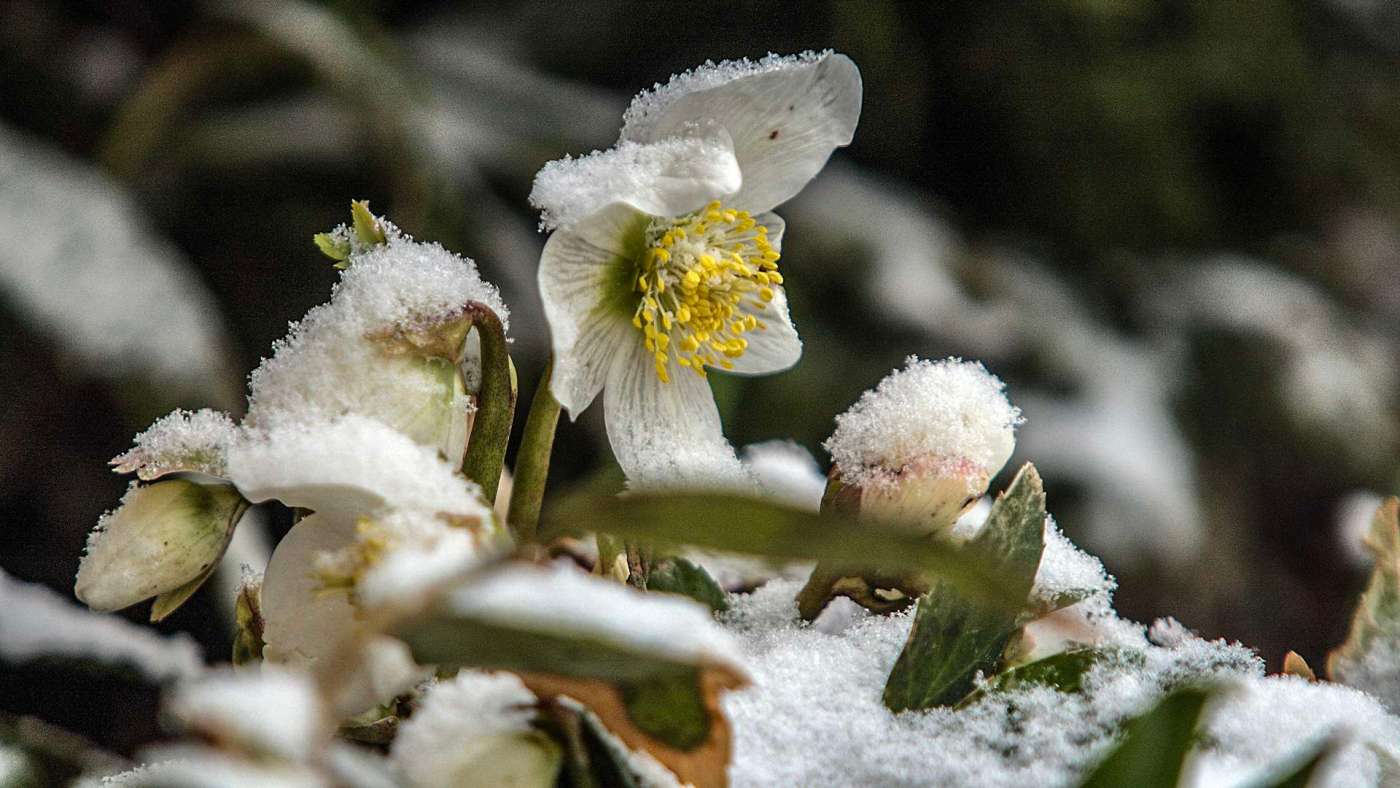
Legends and Lore of Hellebore
One of the most intriguing myths surrounding hellebore involves Melampus, a legendary Greek healer. According to the myth, the daughters of Proetus, king of Argos, were struck with madness by Dionysus, causing them to wander the wilderness. Melampus cured them using hellebore, thus cementing the plant’s reputation as a healer of the mind. Furthermore, some stories suggest that hellebore was used during the Siege of Kirrha to poison the city’s water supply, leading to its capture.
In Norse mythology, hellebore was thought to be a gift from the goddess Hel, who ruled over the realm of the dead. Hel’s connection to the plant endowed it with an aura of mystery and reverence. It was believed that hellebore could open the gates to the underworld, providing protection and guidance for those who dared to seek it.

Hellebore’s dual nature as both a symbol of hope and a harbinger of darkness makes it profoundly intriguing. Its ability to thrive in the cold and its association with ancient rituals and myths lend it an air of mystery and resilience. Hardy in USDA zones 3 to 9, hellebore can withstand temperatures as low as -20°F (-29°C), making it a reliable winter bloom for gothic gardens in the northern hemisphere.
Witch Hazel (Hamamelis spp.)
Witch Hazel, with its spidery, crone-like blooms, emerges in the dead of winter, a sight that is both unsettling and enchanting. The plant’s name itself conjures images of witchcraft and ancient rites. This winter-blooming shrub has been revered for centuries for its medicinal properties and its connection to the mystical.

In American folklore, witch hazel was often associated with divination and protection. The branches were used as dowsing rods to locate water and precious minerals, believed to be guided by supernatural forces. The plant was also thought to protect against malevolent spirits and hexes. Its use in folk medicine to treat wounds and inflammation further established its reputation as a plant of power.
The connection between witch hazel and witchcraft runs deep. In European folklore, it was believed that witches could use the branches to cast spells and curses. The plant’s gnarled, skeletal appearance, blooming in the depths of winter, added to its otherworldly presence and its notoriety.

Witch Hazel Myth and Magic
In mythology, witch hazel is linked to various deities and spirits. In some Native American traditions, it is associated with healing and protection spirits. Its ability to bloom in winter, defying the natural order, aligns it with themes of resilience and defiance against adversity. The plant’s name is derived from the Old English word “wice,” meaning “pliant” or “bendable,” and “hazel” due to its resemblance to the hazel tree, though it is not directly related. Norse mythology also references witch hazel branches being used by seers to divine the will of the gods.
In Roman mythology, the plant was linked to Janus, the god of beginnings, gates, transitions, time, duality, doorways, passages, and endings. As Janus presided over new beginnings and gateways, witch hazel’s ability to bloom at the turning of the year made it a fitting symbol. The plant was believed to hold the power to unlock hidden knowledge and reveal the future.

It has also been said that a branch of witch hazel placed above a door could ward off evil spirits and protect the home from harm.
For those enthralled by the macabre, witch hazel’s gnarled, skeletal appearance and its deep roots in witchcraft and folklore make it a plant of profound significance. It’s a metaphor of the beauty found in darkness and the strength to overcome challenging conditions. Hardy in USDA zones 3 to 8, witch hazel can endure cold temperatures, making it a prime choice for winter goth gardens.
Black Tulip (Tulipa ‘Queen of Night’)
The black tulip, particularly the ‘Queen of Night’ variety, is a flower that exudes elegance and mystique. Although not a true black but a deep, velvety purple, it has been cultivated to symbolize the unattainable and the transcendental. Its modern association with luxury and exclusivity adds to its allure.
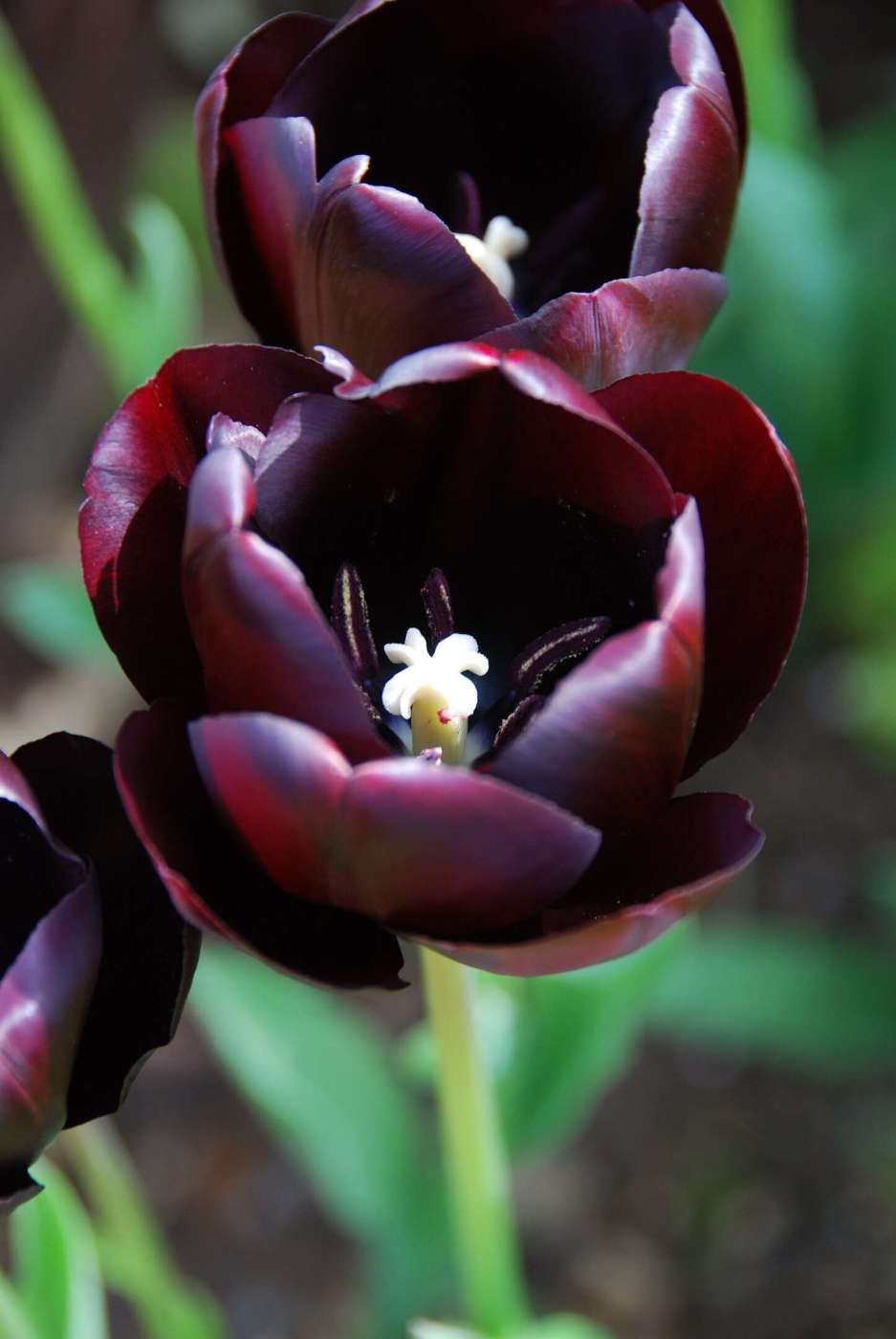
In Victorian flower language, tulips symbolize perfect love. The black tulip, however, carries an additional layer of meaning, representing power, elegance, and a touch of the macabre. It’s often seen as a symbol of mystery and intrigue, fitting perfectly into the gothic aesthetic.
The black tulip’s dark, rich color is reminiscent of the themes of death and mourning that are often explored in gothic literature and art. It’s a flower that captivates with its beauty and evokes a sense of melancholy and introspection.

The painstaking process of nurturing this elusive flower demands not only a careful eye and a skilled hand but also a profound appreciation for beauty that defies the ordinary. Much like the dark romanticism found in gothic literature, these tulips evoke a sense of mystery and allure, captivating those who include them in their gardens. Their rarity suggests a longing for the unattainable and awakens contemplation of the delicate balance between nature’s enchantment and its inherent darkness.
Mystical Narratives of the Black Tulip
The story of the black tulip is steeped in legend and romance. One of the most famous tales about this plant is that of Alexandre Dumas’ novel, The Black Tulip, which tells the story of a man’s quest to grow a black tulip amid political intrigue and personal betrayal. The novel infuses the flower with an aura of enchantment and longing, underscoring its role as a symbol of the extraordinary.
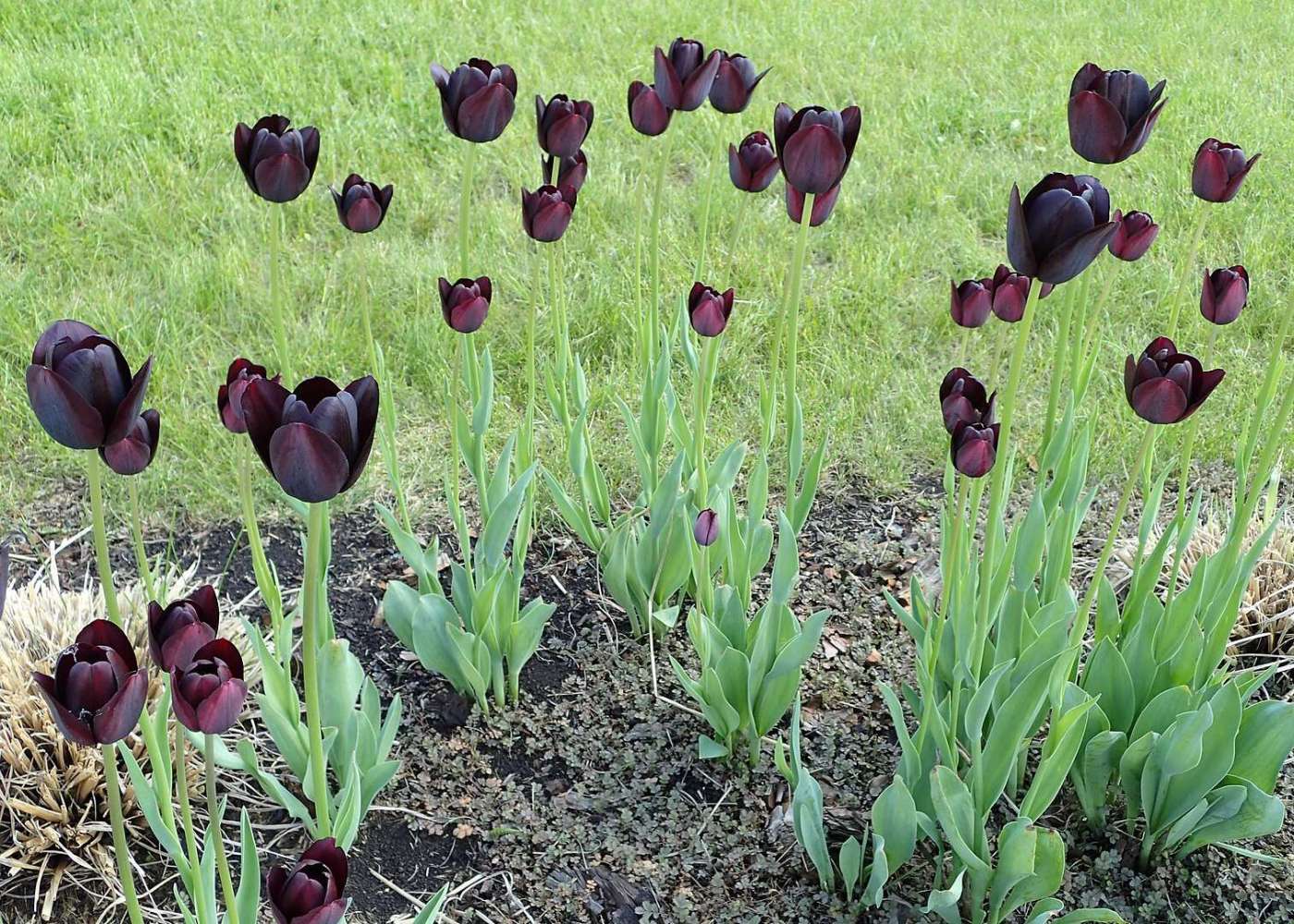
In Dutch culture, the black tulip is seen as a marvel of horticultural achievement, often symbolizing a sense of triumph over adversity. The quest for a true black tulip has inspired countless gardeners and florists, embodying the relentless pursuit of perfection. This narrative of striving against the odds resonates deeply with the goth subculture, which often embraces themes of struggle, beauty, and the extraordinary.
In Persian mythology, tulips symbolize deep love and sacrifice. The legend of Farhad, a stonecutter who fell in love with the beautiful Shirin, tells of how he carved a canal through mountains to prove his love. When he received false news of her death, he tragically ended his own life, and red tulips sprang from his blood. While the story centers on red tulips, the black tulip’s deep, dark hue can be seen as an extension of this theme, symbolizing profound emotions and the beauty found in tragedy.
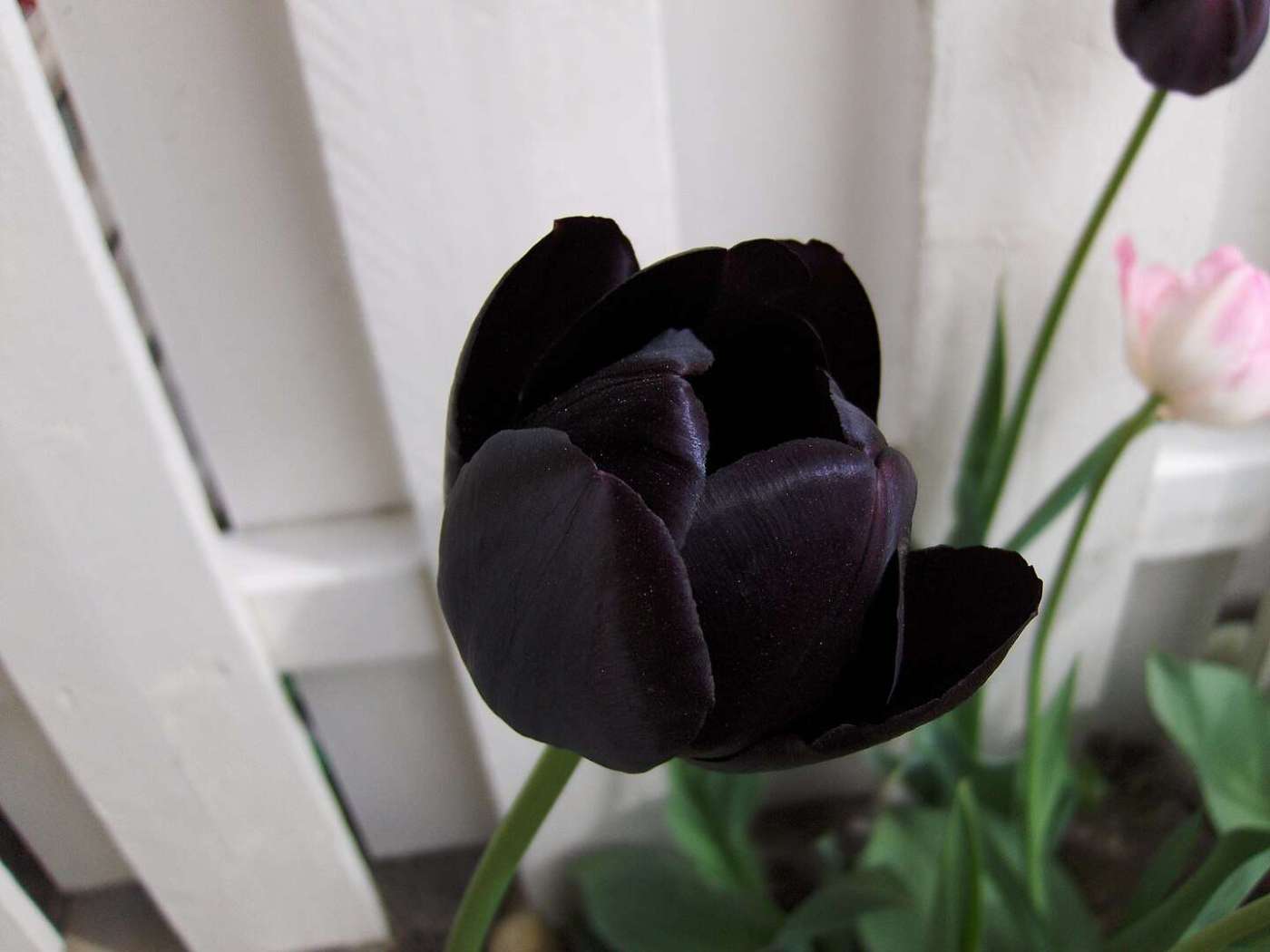
The black tulip is an ideal blend of beauty and darkness. Its deep hue and the effort required to cultivate it make it a plant that speaks to the complexities of the human soul and the allure of the forbidden. Black tulips are remarkably resilient and can thrive in USDA zones 3a to 8b, withstanding temperatures as low as -40°F (-40°C), making them another ideal plant for winter gardens.
Winter-Blooming Plants for Gothic Gardens
In the winter garden, hellebore, witch hazel, and the black tulip weave a tapestry of shadow and light, their blooms defying the cold and dark. These plants possess irrefutable themes of beauty, mortality, and the mystical. Their rich symbolism, intertwined with folklore and myth, makes them not just plants but storytellers of the gothic spirit.
Hellebore, the Christmas Rose, represents a duality of hope and dark enchantment. Witch Hazel emerges with its spidery blooms in the dead of winter, embodying defiance against adversity. The black tulip, or ‘Queen of Night,’ captivates with its deep, velvety petals that symbolize the unattainable and the extraordinary.
Together, these winter-blooming plants create an ethereal and enigmatic landscape that resonates with common themes found in gothic literature and art. They remind us that even in the darkest and coldest times, beauty and mystery can bloom, defying the harshness of the season.

For those wishing to breathe life into their gothic gardens throughout the winter months, hellebore, witch hazel, and the black tulip will bring a botanical symphony of the sublime, the resilient, and the extraordinary to your gardening endeavors.