

As shadows lengthen and the chill of autumn settles in, Halloween has cast its spell upon us. Our once-thriving gardens begin to fall silent (with some exceptions), slipping into their winter slumber—many beneath a veil of frost. But for those of us who live and breathe for the green and growing, there’s no need to let the dimmer days of the season dampen our botanical spirits.
Instead of resigning to the season’s gloom, why not invite a fresh touch of gothic elegance into your home? This is the perfect time to bring in plants that thrive with minimal sunlight and cooler temperatures.
Embrace the mysterious allure of Snake Plants and Spider Plants, those bewitching houseplants that not only survive but thrive in the fall and winter seasons. Their beguiling beauty and easy care make them ideal additions to your indoor haunted halls. Here we’ll explore the myths behind the monikers and the captivating qualities of these botanical beauties before suggesting the best varieties for adding a touch of dark enchantment to your décor.
And no-one knows
The Cure (Snakepit)
And no-one sees us
Because they’re drinking themselves senseless
And I’m writhing
And I’m writhing
And I’m writhing in the snakepit
Table of Contents
Myth, Magic, and Monikers
Serpents and Sages: The Mythic Legacy of Snakes
Snakes have long slithered through the annals of myth and magic, entwined with themes of transformation, wisdom, and the enigmatic forces of nature. These creatures, feared and revered alike, embody life’s inherent dualities and mysteries. In many cultures, snakes symbolize rebirth and healing, shedding their skin to emerge anew. This powerful metaphor for renewal and personal growth embodies the concept of leaving behind the old to embrace the new, making snakes a universal symbol of change and the cyclical nature of life.
Asclepius

The ancient Greeks viewed snakes as sacred, often linking them to Asclepius, the god of medicine. Asclepius was believed to possess the power to bring the dead back to life, a gift he learned from a serpent. His staff, entwined with a snake, has become an enduring emblem of healing practices, representing the duality of life and death, as snakes can both heal and harm.
Asclepius’s story is a testament to the transformative power of knowledge and the thin line between life and death. Asclepius’ power to cure the sick and resurrect the dead eventually led to his downfall, as the gods feared his power would disrupt the natural order.
Shesha

In the rich tapestry of Hindu mythology, the snake god Shesha represents infinity and sustains the universe. Shesha is often depicted as a colossal serpent, coiled beneath Vishnu, the preserver of the universe, supporting the world on his many heads.
Shesha’s presence symbolizes stability and the eternal nature of the cosmos. His vast coils represent the endless cycles of creation and destruction, embodying timeless wisdom and the balance of the universe. It is said that when Shesha uncoils, time moves forward, and when he coils back, the universe will cease to exist, showcasing the profound significance of his role in maintaining cosmic order.
Weaving Destiny: The Mystic Web of Spiders
Spiders weave their magic through folklore as symbols of destiny, creativity, and the interconnectedness of life. These recondite weavers are often seen as both protectors and creators, embodying the delicate balance of existence.
The Spider Woman
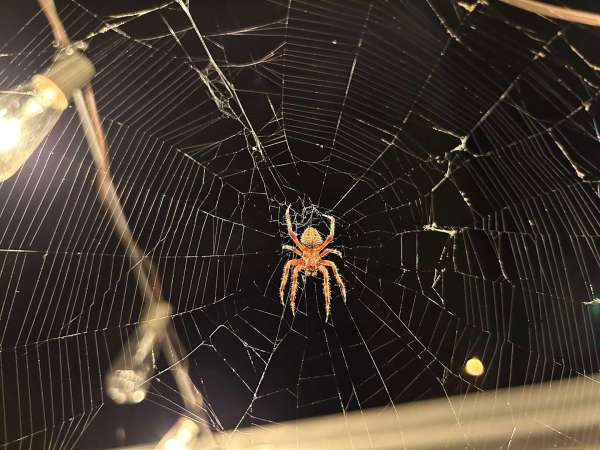
In many Native American cultures like Navajo, the Spider Woman is a revered figure who wove the world and all living things into existence. She serves as a protector and guide, teaching the people how to weave and create. The Spider Woman embodies the nurturing aspect of creation and serves as a reminder that life is intricate and interconnected. Her stories are a testament to the power of creativity and the importance of passing knowledge down through generations.
Arachne

The Greek myth of Arachne tells the tale of a talented weaver who boasted that her skills surpassed those of the goddess Athena. Angered by Arachne’s hubris, Athena challenged her to a weaving contest. Although Arachne’s work was flawless, her arrogance led to her downfall. As punishment, Athena transformed her into a spider, condemning her to weave for eternity.
Arachne’s story underscores the consequences of pride and highlights the importance of humility and creativity. It serves as a cautionary reminder that while great talent can lead to success, it is essential to remain grounded and respectful of others’ skills.
Spiders, often misunderstood, also symbolize resilience and adaptability, as their intricate webs and patient hunting methods demonstrate creativity and survival against the odds. Spiders, with their ability to weave complex webs and adapt to their surroundings, teach us the value of perseverance and ingenuity.
Both snakes and spiders teach us about the balance of nature and the complexity of existence. They remind us that fear and reverence can coexist, and through their myths and meanings, we can explore deeper truths about transformation, creativity, and the cycles of life. By understanding these creatures’ roles in mythology and culture, we gain insight into the human experience and our relationship with the natural world.
The Plants and Their Namesakes

The mystical aura surrounding snakes and spiders extends to the plants named after them, imbuing them with an almost supernatural charm.
The Snake Plant, with its sinuous, sword-like leaves, seems to embody the transformative power of its namesake. Just as the snake renews itself by shedding its skin, the Snake Plant revitalizes its surroundings. These verdant sentinels purify the air, removing toxins and providing fresh oxygen, creating an environment that breathes new life into any space. Their resilience and ability to thrive in low light make them perfect specimens for the shadowy corners of your gothic abode.
Spider Plants, with their cascading, web-like foliage, mirror the intricate beauty and resilience of their eight-legged counterparts. Each arching leaf and dangling spiderette reflects the elegance of a spider’s web, capturing an essence of creativity and interconnectedness. These plants, too, work their magic by enhancing indoor air quality, capturing pollutants, and promoting a healthier environment. Their variegated leaves interweave with the darkness, enhancing the macabre beauty of any gothic sanctuary.
Both Snake Plants and Spider Plants bring the mystique and magic of their namesakes into your home, creating an atmosphere where the mystical and the natural world intertwine. They show us that even in the darkest seasons, life continues to thrive and transform, weaving a web of enchantment and renewal.
Snake Plants: Serpentine Sentinels
Behold the eerie charm of Snake Plants (aka Sansevieria). Their tall, serpent-like leaves will stand like silent guardians in the dimly lit corners of your home. These plants exude dark elegance, making them perfect for enhancing indoor gothic décor. Their resilience in low light conditions makes them ideal for goth living spaces during the dim days of fall and winter.

Sansevieria trifasciata ‘Laurentii’ is the classic variety of Snake Plant that most people recognize. With its green leaves edged in gold, it looks like it’s been kissed by Midas. This variety stands tall and proud, making a statement wherever it’s placed.
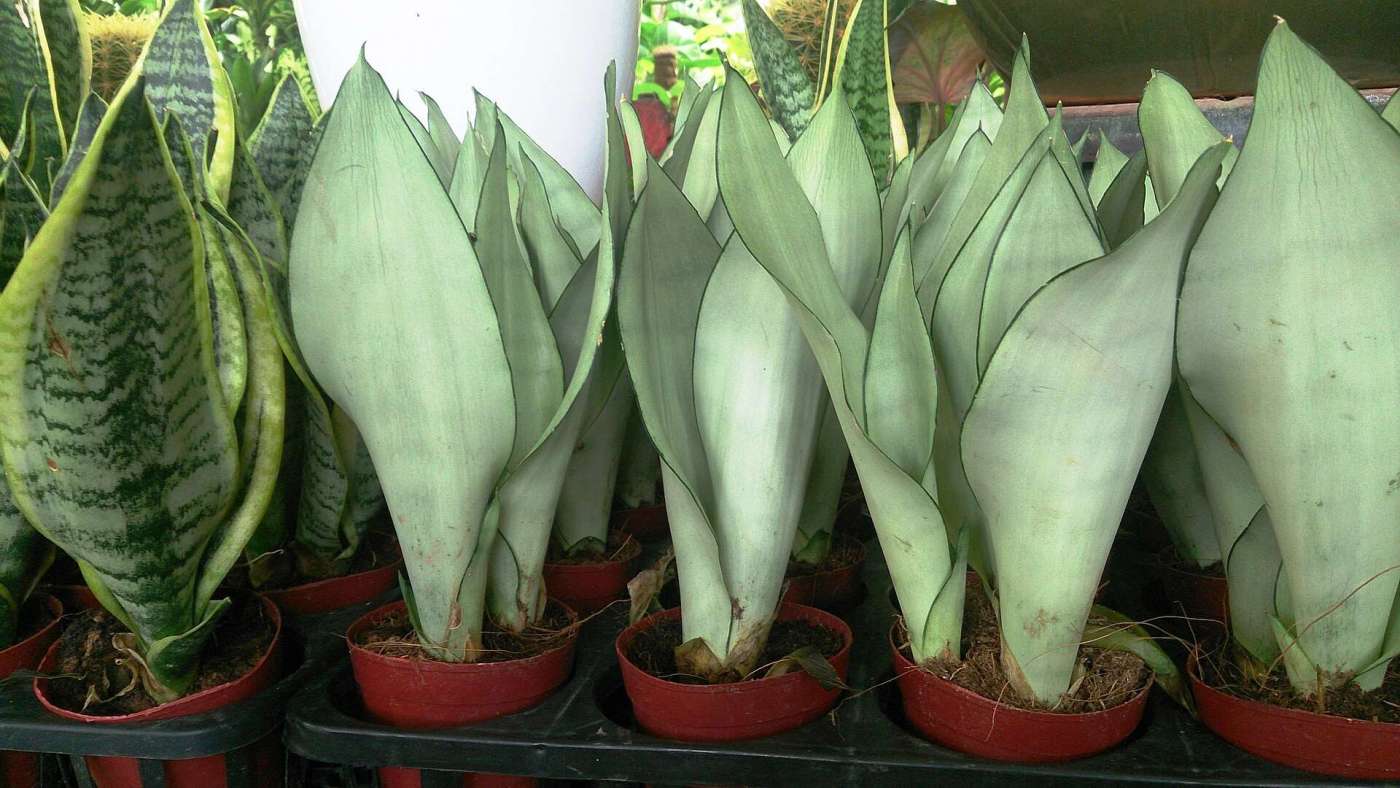
For something a bit more ethereal, consider Sansevieria trifasciata ‘Moonshine’. Its ghostly pale green leaves look like they’ve been dusted with the essence of a full moon, giving off a soft, otherworldly ambiance. This variety is perfect for those who want to add a touch of lunar magic to their home.
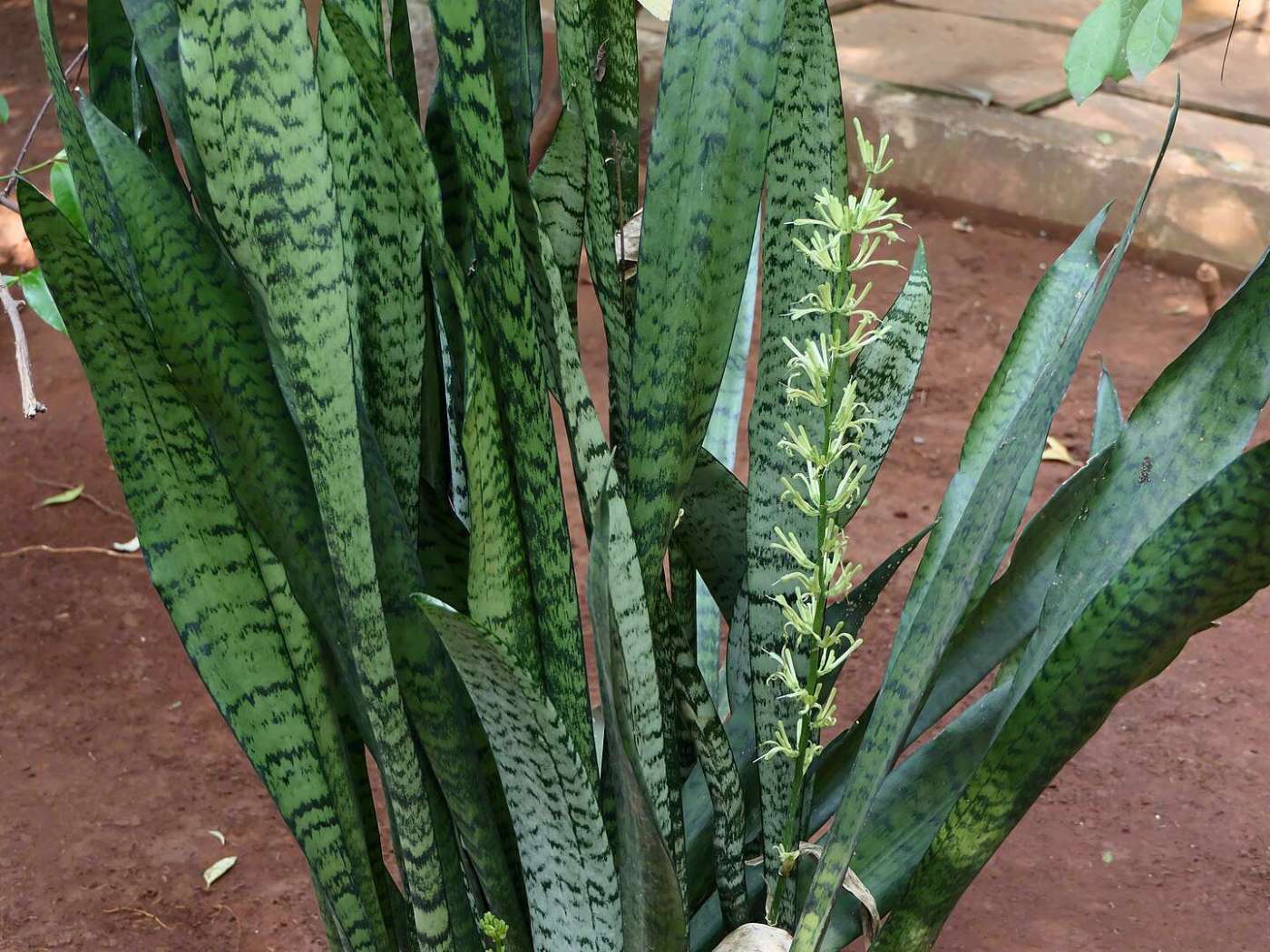
Then there’s Dracaena trifasciata, commonly known as the ‘Silver Queen’ Snake Plant. With its tall, upright leaves that are banded in varying shades of green, this plant adds a subtle, yet striking, flair to any goth décor. The dark, glossy leaves, sometimes streaked with white or light green, evoke images of moonlit groves shrouded in mystery. It’s like having a piece of the night itself thriving in your living room, silently guarding your space with its captivating presence.
Caring for Snake Plants is a breeze. They’re incredibly adaptable but prefer indirect light. Place them in a spot where they can enjoy some filtered sunlight but won’t be exposed to harsh rays. When it comes to watering, less is more. Allow the soil to dry out completely between waterings to avoid the dreaded root rot.
Snake Plants are tough and can handle a bit of neglect, but they do appreciate a drink now and then—just not too much. And keep in mind that they thrive in temperatures between 60-75°F (16-24°C), so keep them away from exceptionally cold drafts.
Spider Plants: Webs of Green
Spider Plants, or Chlorophytum comosum, weave their way into our hearts with their graceful, arching leaves and cascading spiderettes. These plants bring a touch of wild, untamed beauty that perfectly complements the gothic aesthetic. Known for their air-purifying qualities, Spider Plants are not only a visual delight but also a healthy addition to your indoor garden as the seasons change.
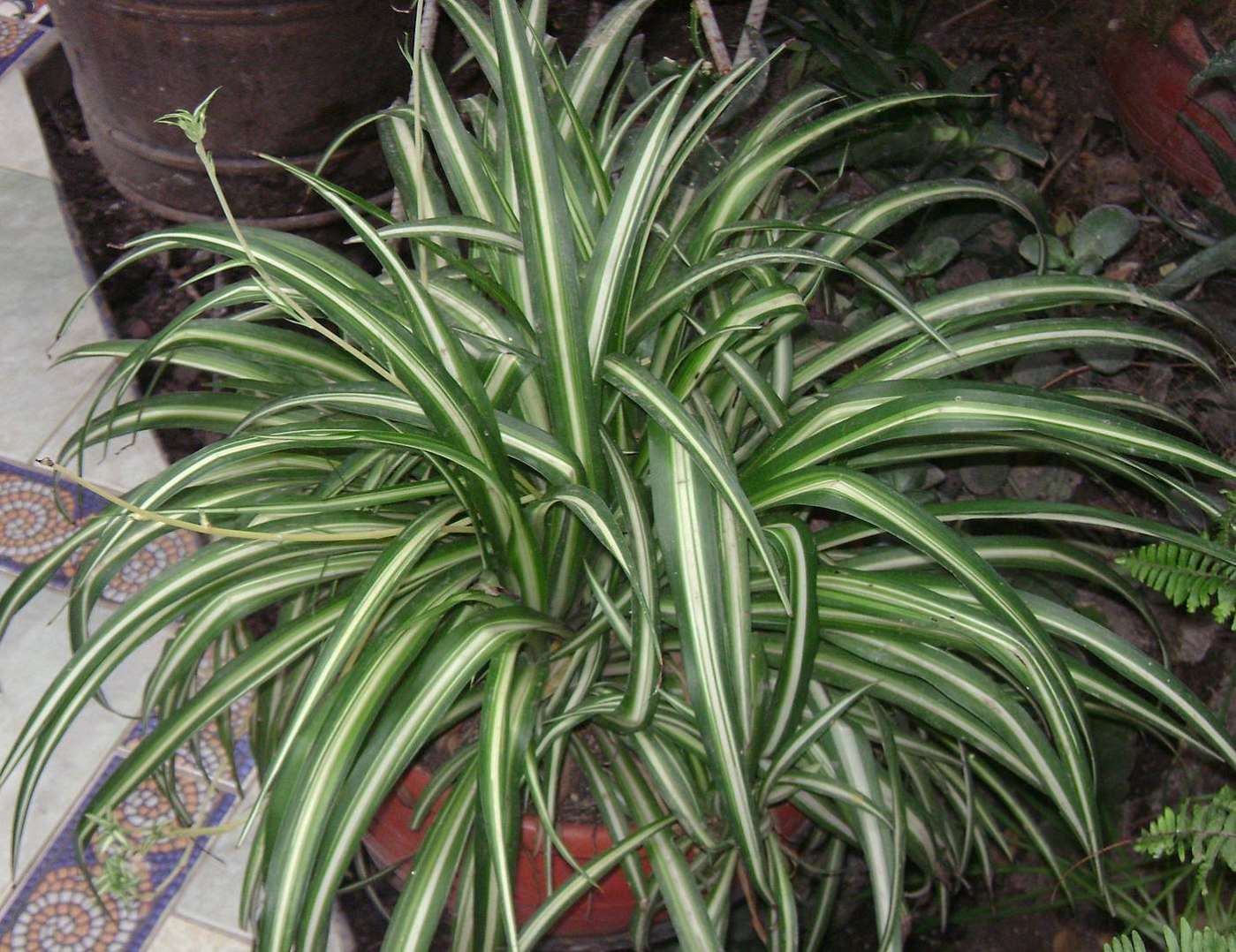
The Chlorophytum comosum ‘Vittatum’ variety is a true classic. Its green leaves adorned with a white stripe down the center give the impression that they’ve been touched by spectral fingers. This variety’s striking appearance makes it a standout addition to any collection.
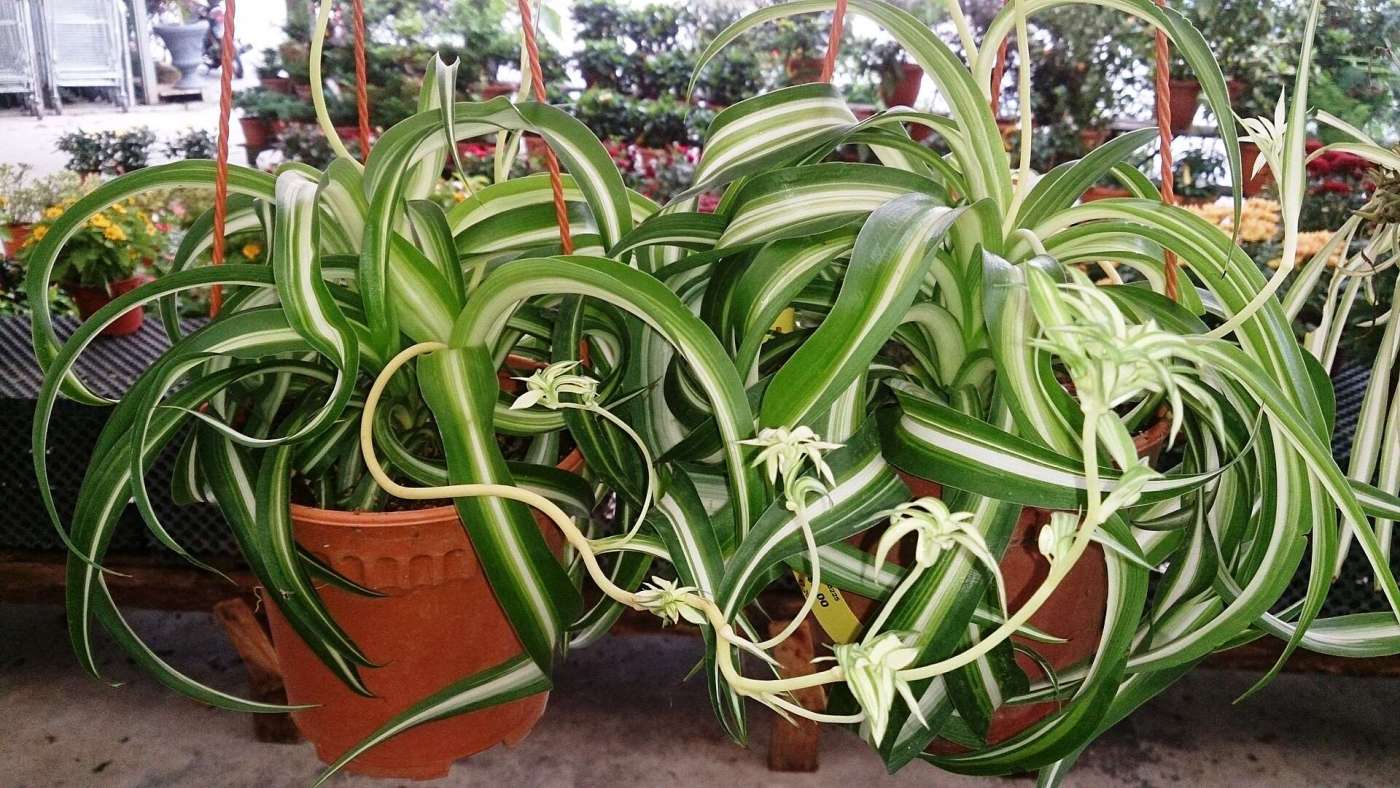
For a whimsical twist, the Chlorophytum comosum ‘Bonnie’ variety is your go-to. Its curly, twirling leaves resemble enchanted tendrils, adding a playful yet mysterious vibe to your space. Its fairytale appeal may be just what’s needed in your home.

Lastly, the Chlorophytum comosum ‘Variegatum’ variety is a spark in the darkness with its green leaves edged in white. This variety is perfect for those who want a touch of moonlight to enhance their home’s gothic charm.
Caring for Spider Plants is just as enchanting as their appearance. They thrive in bright, indirect light but adapt easily to lower light conditions, making them versatile for winter’s shorter days. Keep the soil consistently moist but not waterlogged—these plants do appreciate a drink, but they don’t like to be swimming!
Spider Plants also appreciate a bit of humidity, so misting them occasionally will keep them content. Keep them in a spot with temperatures between 55-80°F (13-27°C) and avoid cold drafts to keep their delicate leaves from getting damaged.
Adding Gothic Greens to Your Home
As the autumn winds howl and the nights grow longer, there’s no better time to embrace the dark beauty of Snake Plants and Spider Plants. These plants, steeped in myth and magic, weave a spell of enchantment in your home. Their low-maintenance nature and ability to thrive in various light conditions make them perfect companions for the fall and winter months. Whether you choose the serpentine elegance of Snake Plants or the intricate webs of Spider Plants, these gothic greens will transform your space into a sanctuary of shadowy sophistication.
With Snake Plants embodying the transformative power of their serpentine namesakes and Spider Plants reflecting the creative intricacy of their eight-legged counterparts, your home becomes a realm where myths come to life. The echoes of Asclepius and Shesha, and the whispers of the Spider Woman and Arachne, will grace your rooms with an air of ancient wisdom and otherworldly charm.
So, light some candles, put on your favorite gothic tunes, and let these bewitching plants cast their spell on your home this Halloween. Happy haunting!