
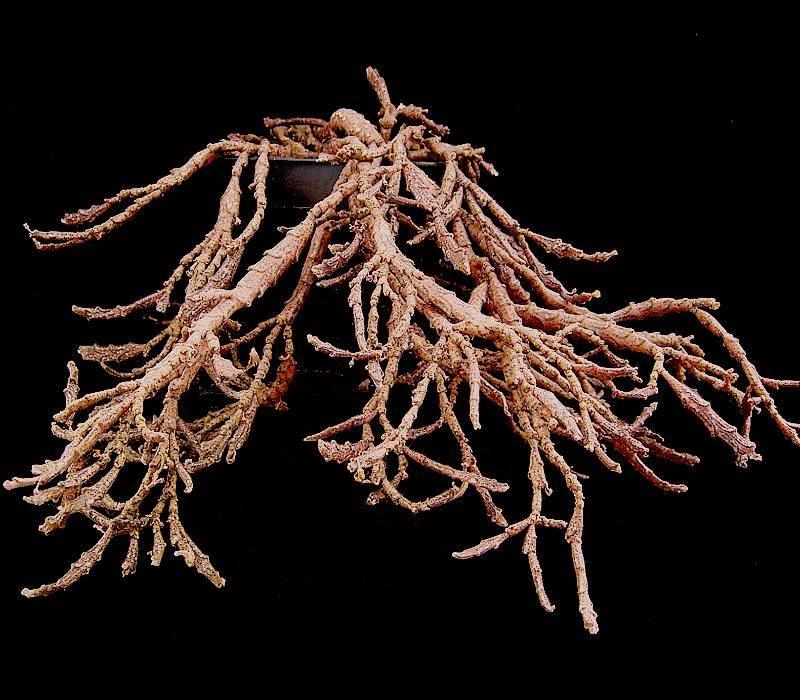
Euphorbia platyclada, commonly referred to as The Dead Plant, is a unique tropical succulent native to the dry regions of Madagascar. Sadly, its existence is endangered due to habitat loss and fires in the region, but if you come across this rare find at a retail nursery, it’s very easy to care for and would be an excellent addition to an indoor goth garden or an outdoor arrangement in USDA hardiness zones 9a to 11b.

Of all the options in the flora kingdom, what could be more goth than a plant that appears dead?
The bats have left the bell tower
Bauhaus (Bela Lugosi's Dead)
The victims have been bled
Red velvet lines the black box
Bela Lugosi’s dead
Bela Lugosi’s dead
Undead, undead, undead
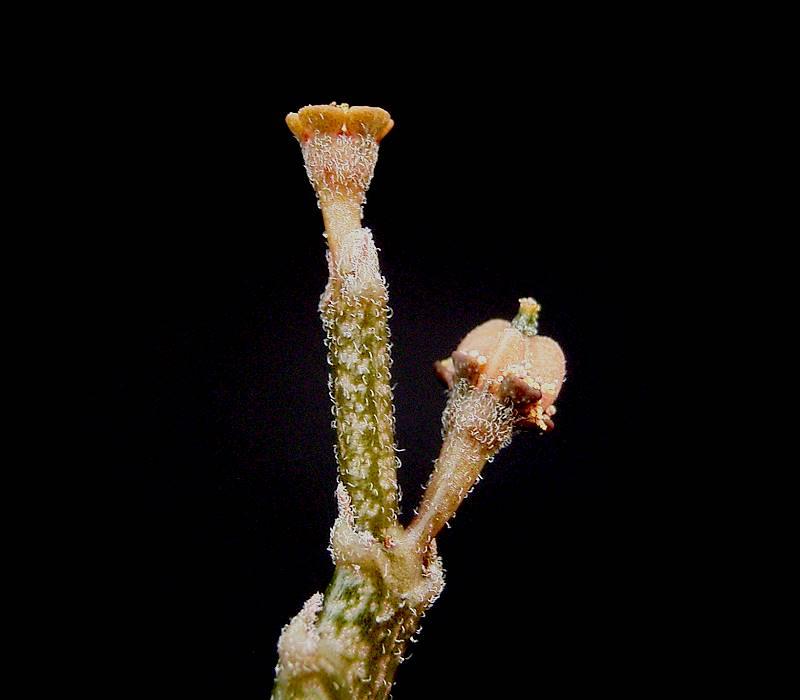
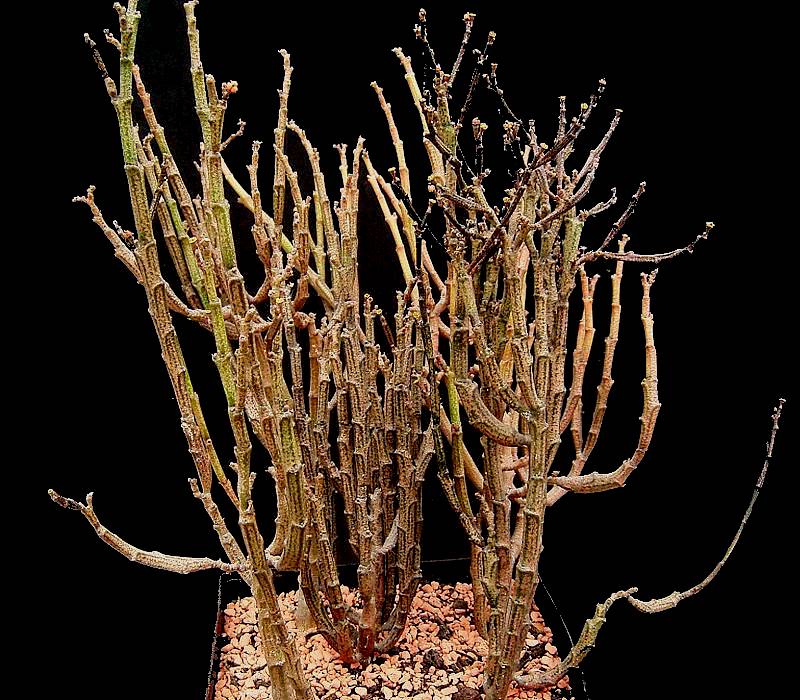
Euphorbia platyclada is a member of the “spurge” family of flowering plants. While most spurges are herbs, the dead plant is a succulent shrub. It produces tiny orange or brown flowers at the ends of waxy segmented stems that range in color from reddish-brown to a gray-green hue with white and yellow speckles. Its coloring provides camouflage in the parched forests it’s native to. It can grow either vertically or horizontally, but in either case the plant rarely exceeds a maximum height of 20 inches.
Dead Plant Care
Caring for Euphorbia platyclada indoors is very easy given the proper environment. Most who fail at their attempt to grow this plant usually give it far too much attention. Once it’s settled in, it’s best to let it be and only water the plant when its soil is completely dry. Root rot from overwatering is responsible for the dead plant’s most ubiquitous demise.
Euphorbia platyclada prefers gritty, well-draining soil, and enjoys being a bit rootbound in a small planter with plenty of drainage holes in it. It isn’t very picky about its substrate otherwise, so any pumice and cactus mix will serve it well. Just be sure the mix dries quickly and never leave the planter in a drainage saucer that’s holding water.


The dead plant doesn’t have any special humidity requirements like many other tropical plants. In fact, too much humidity is worse for it than none at all.
Euphorbia platyclada likes it hot and dry with a lot of bright sunlight. While this plant will do fine in indirect sunlight, it will likely slow down the (already slow) growth of the plant and its coloring will turn more pink than red and more gray than green. For goth owners adverse to sunlight, a fine solution would be to put a trellis in front of a bright window and train the plant’s growth up the lattice. The dead plant will gladly shield you from the sun’s harsh encroachment and protect your pale complexion.
Euphorbia platyclada only needs to be fertilized once per year at the beginning of its late spring to summer growth phase. It doesn’t require much, so half the suggested amount that’s recommended on the box or bottle will be sufficient. Too much fertilizer will burn the roots and could have disastrous consequences.

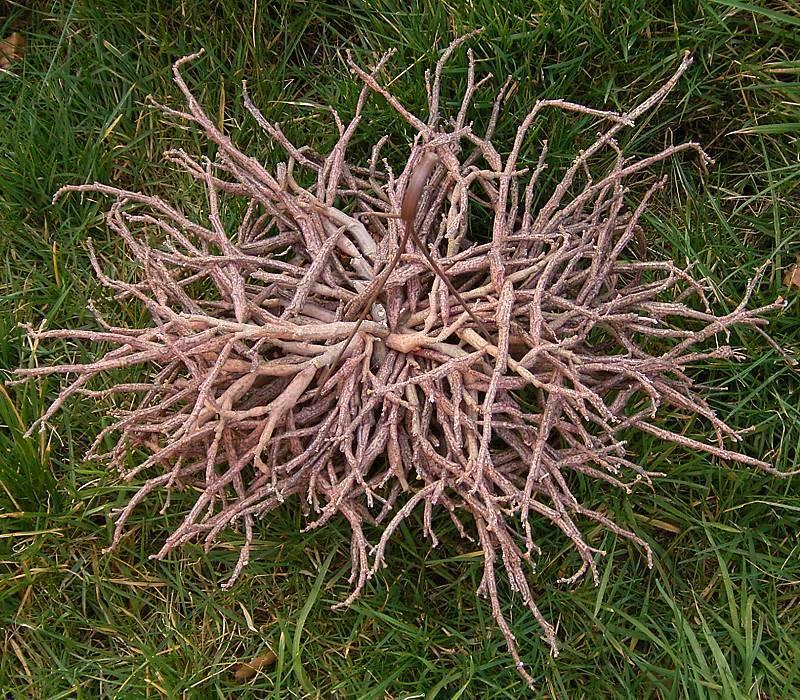
If you happen to live in Plant Hardiness Zones 9a to 11b, this plant will survive outdoors as long as it doesn’t become waterlogged. Bordering your yard or the walk to your front door with dead plants would certainly make a powerful statement in your neighborhood and gain you some notoriety on Nextdoor!
Regardless of where you place Euphorbia platyclada, it is sure to garner a lot of attention for its peculiarity.


