

As the veil between the living and the dead grows thin in the month of October, the gothic subculture revels in its annual dark celebration. October is when all the things we enjoy are displayed with pride and given deserved reverence.
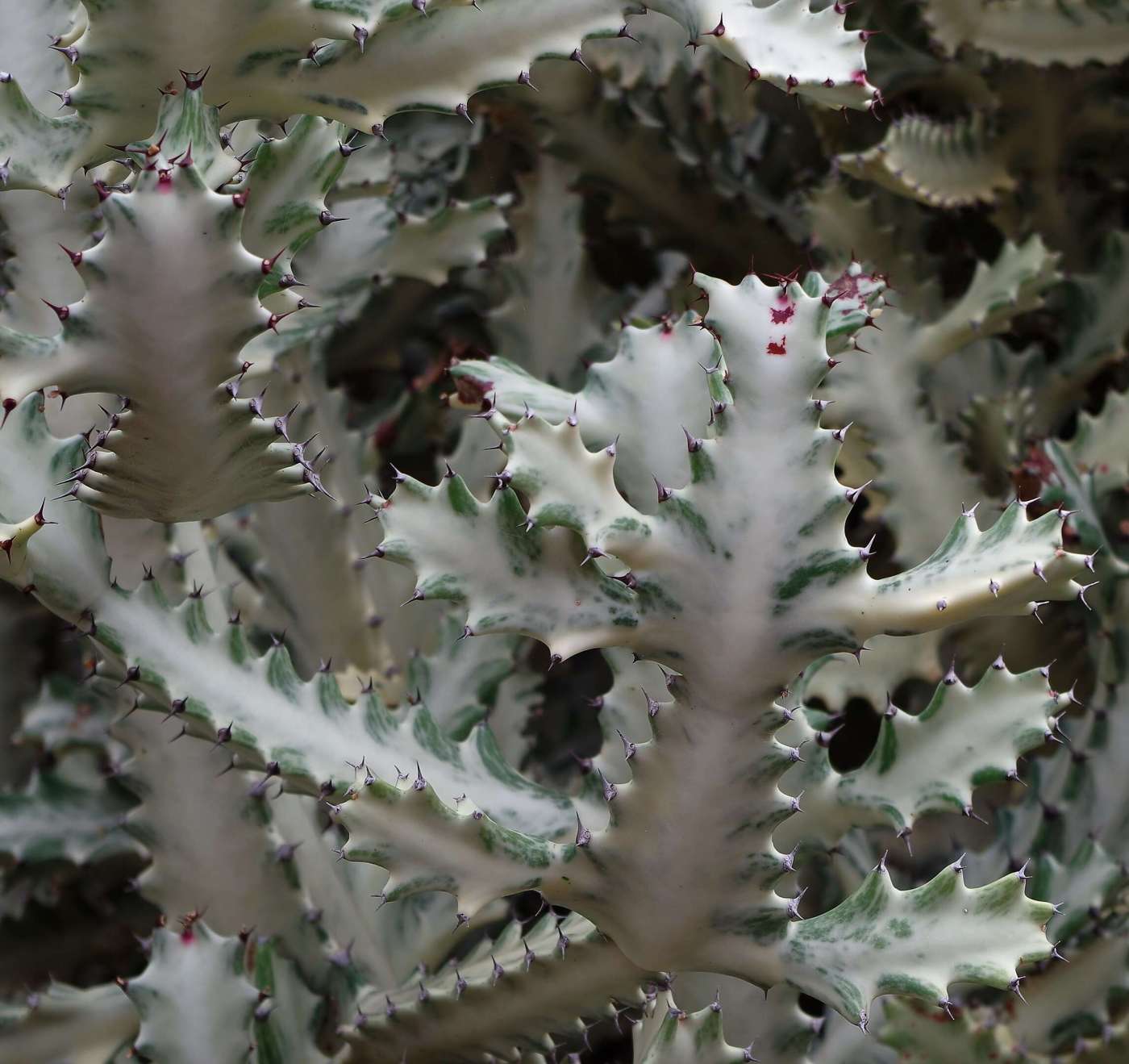
This season, we turn our gaze to the otherworldly splendor of the Euphorbia lactea “White Ghost” (aka Dragon Bone) cactus. This eerie plant, with its pallid, ghostly appearance, seems to wail silently, its arms outstretched in a perpetual banshee scream of agony. Much like the phantoms that haunt the pages of gothic literature, the White Ghost cactus exemplifies nature’s ability to evoke the macabre and the mysterious.
As I spitting, splitting, blood red
The Cure (Fear of Ghosts)
Breaking windows in my heart
And the past is taunting fear of ghosts
Is forcing me apart
Table of Contents
Anatomy of the White Ghost Cactus
Euphorbia lactea “White Ghost” cactus is a striking succulent, devoid of the chlorophyll that gives most plants their green hue. Instead, it boasts a hauntingly pale, almost translucent white coloration. Its stems are triangular and adorned with sharp, spine-like protrusions, resembling the skeletal remains of a long-forgotten creature. The plant grows in a candelabra-like formation, with arms that twist and contort as if reaching out from the grave.
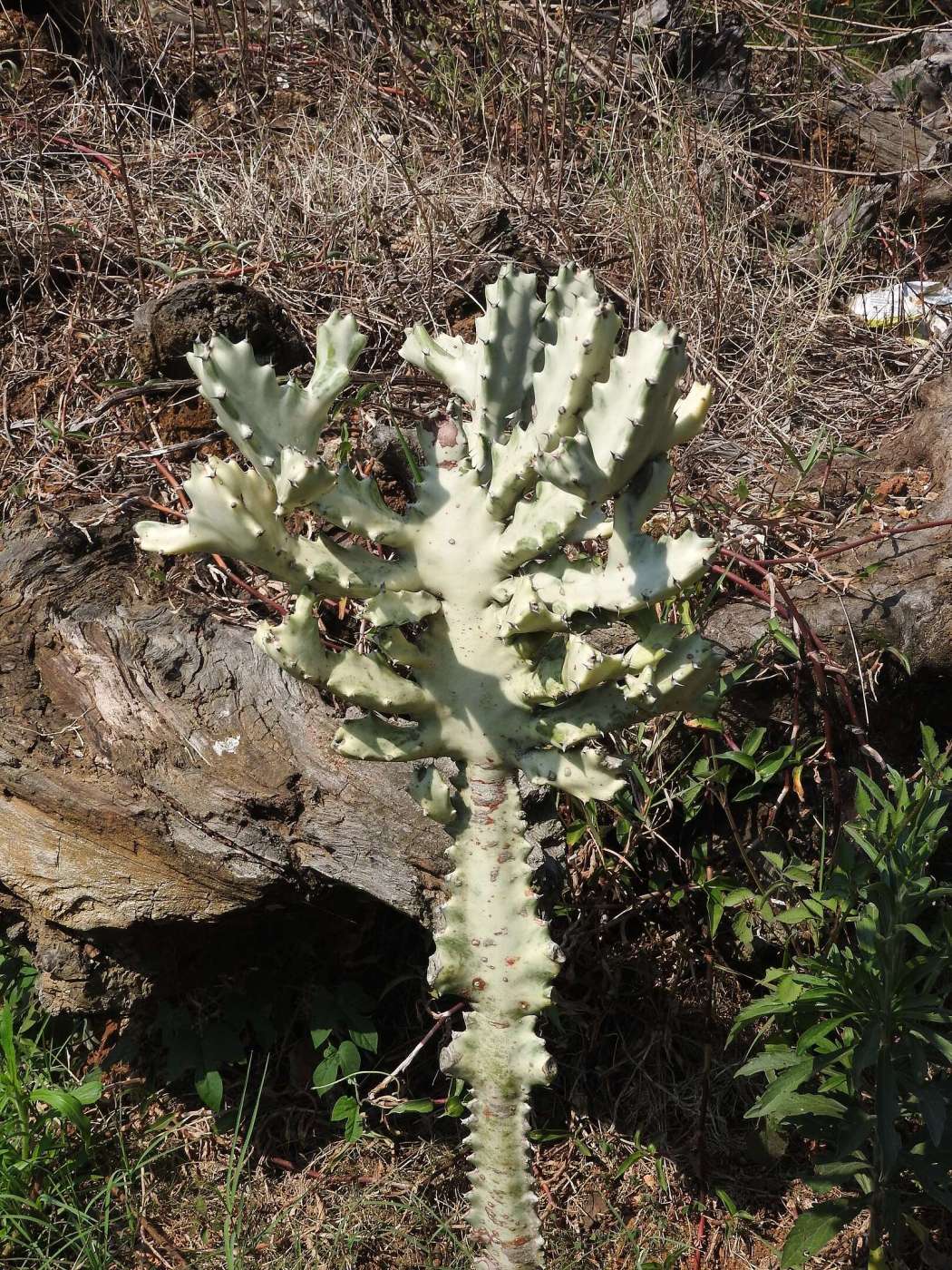
This slow-growing succulent can reach heights of up to five feet, though it often remains smaller when cultivated indoors. The White Ghost cultivar is a striking mutation of the Euphorbia lactea species, resulting in its one-of-a-kind look. This spectral beauty is more than just an aesthetic marvel, though. Like every plant, it demands particular care to flourish.
Tending to the Phantom
The White Ghost cactus thrives in bright, indirect sunlight, requiring at least six hours of light daily. However, it should be shielded from the harshest afternoon rays to prevent sunburn. Indoors, a south-facing window or a grow light designed for succulents will suffice.
Euphorbia lactea “White Ghost” prefers a fast-drying soil mix, such as a combination of cactus soil, pumice, and zeolite. Watering should be done sparingly, allowing soil to fully dry out between waterings. Overwatering will lead to root rot, a fate as grim as any gothic tale.
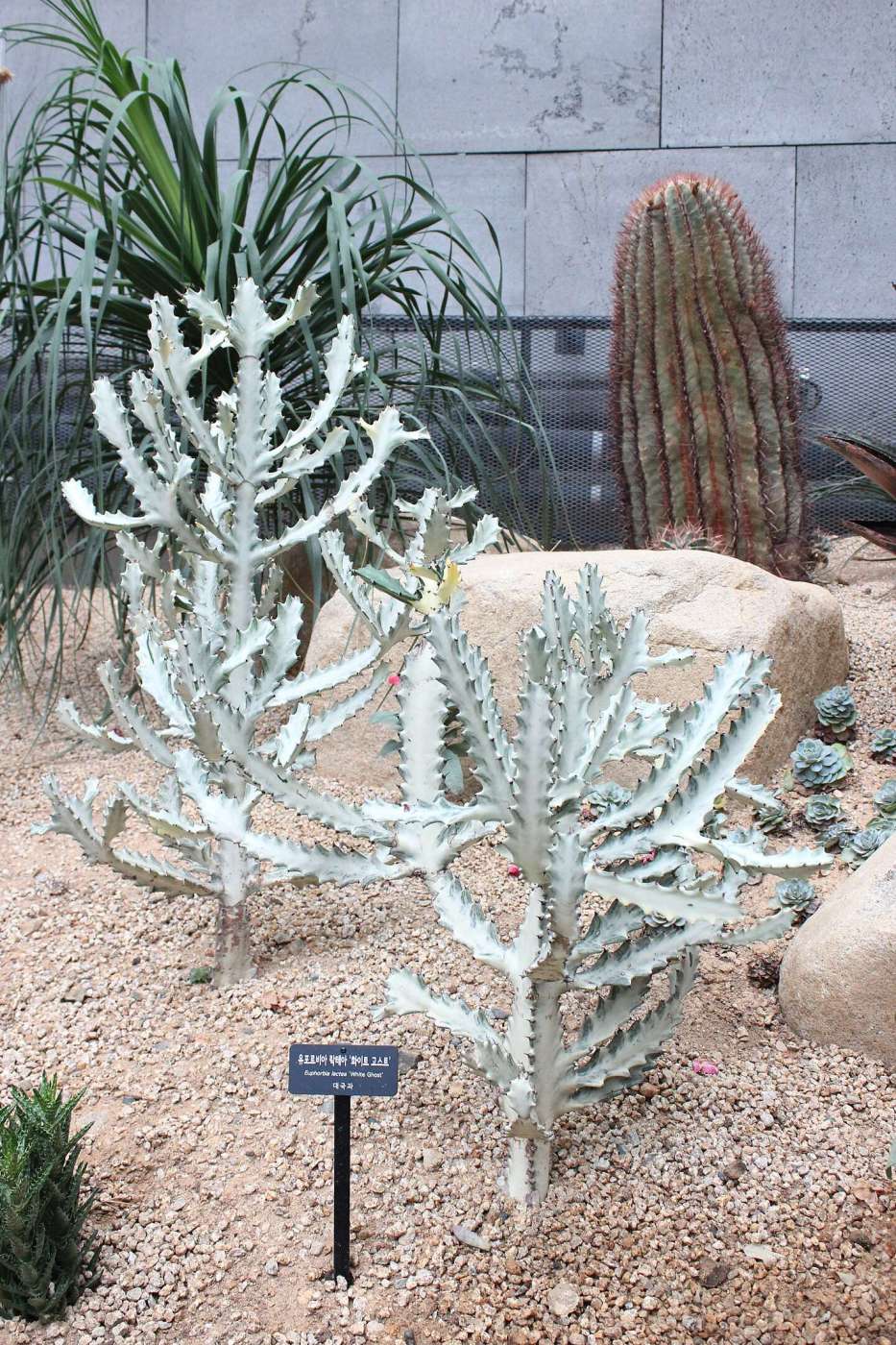
Fertilize sparingly, using a balanced, diluted fertilizer during the spring and fall growing seasons. This succulent prefers warm temperatures and low humidity, mimicking the plant’s native semi-arid tropics in Africa and Asia. Although this cultivar is native to India, Euphorbia lactea “White Ghost” will thrive outdoors in USDA zones 10-11. The plant can be kept indoors with sufficient light in any climate, where it should be protected from frost.
Common pests include mealybugs and spider mites. Regular inspection and prompt treatment with insecticidal soap or neem oil can keep these at bay. Be wary of the plant’s latex sap. It is toxic and can cause skin irritation, so wear gloves and handle with care.

Breeding the Specter
Propagation of the White Ghost cactus is typically done through cuttings. As with most succulent cuttings, allow the cut end to dry for a day or two so that it callouses over before planting in well-draining soil. Rooting can take several weeks, during which time the cutting should be kept in a warm, bright location. Another method involves grafting onto a more robust rootstock, which can enhance growth and stability.
For more detailed information on propagation techniques, visit Flora Macabre’s Gardener Grimoire and view the fact sheet for Euphorbia lactea.
The Ghost in Literature
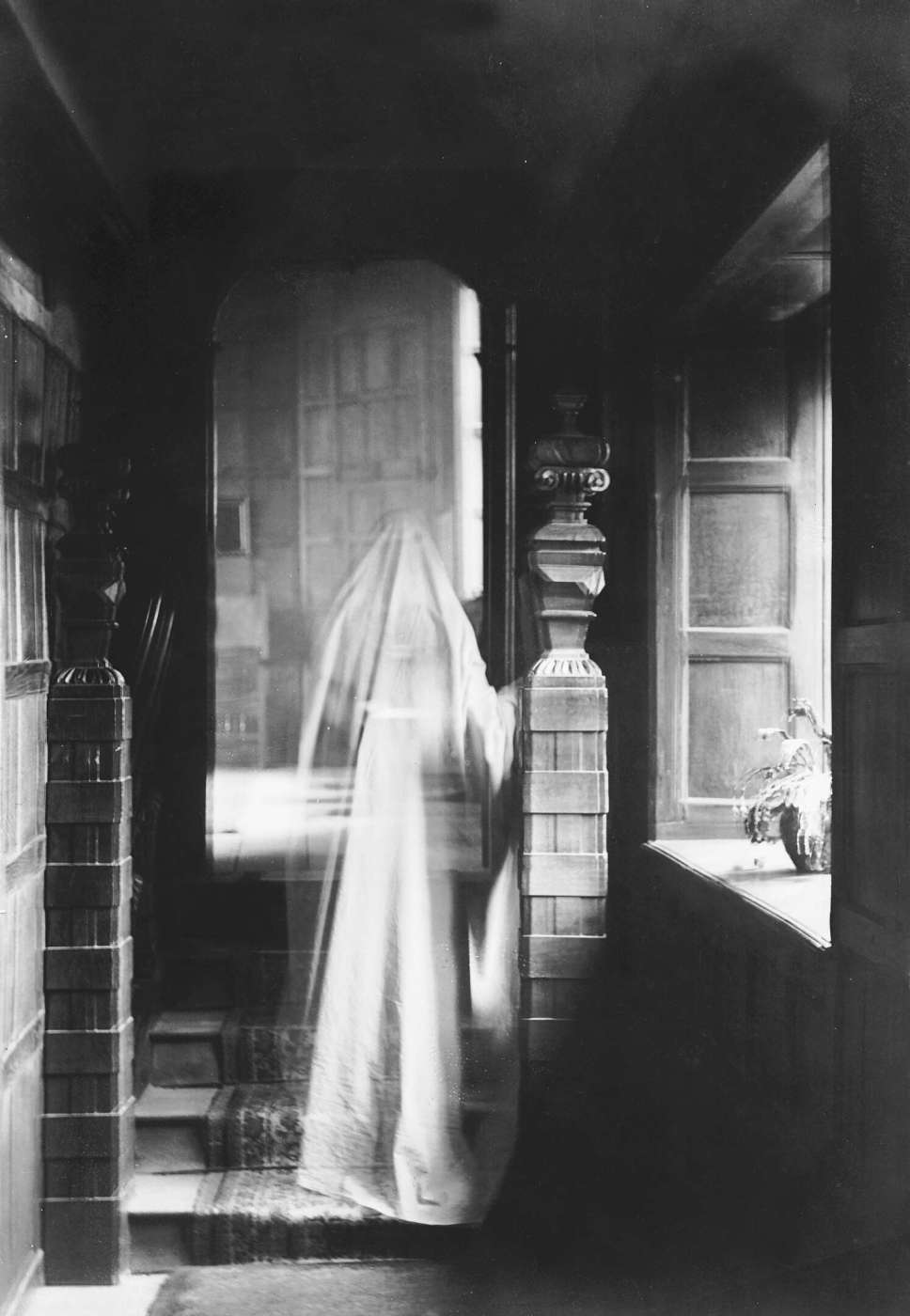
The White Ghost cactus evokes the eerie presence of spectral figures in gothic tales, drawing parallels with the unsettling atmospheres crafted by renowned authors. Its pallid form, starkly white and otherworldly, serves as a reminder of the ghostly apparitions that haunt the works of Edgar Allan Poe and Mary Shelley.
In Poe’s “The Fall of the House of Usher,” the haunting presence of Madeline Usher mirrors the eerie beauty of the White Ghost cactus. Both are silent yet profoundly unsettling, evoking emotions of intrigue and dread, as they quietly command attention while embodying a sense of melancholic despair.
No products found.
The twisted, contorted arms of the White Ghost cactus can be likened to the tormented souls found in gothic literature, forever trapped in a state of suffering and longing. Just as the plant stretches its limbs in a haunted dance against the backdrop of a desolate landscape, the characters in these storied realms struggle against their fates, grappling with their own identities. Mary Shelley’s “Frankenstein” presents a creature born of scientific curiosity, much like the White Ghost cactus is a product of natural mutation. Both entities stand as symbols of isolation and the consequences of societal rejection, outcasts marked by their disparate appearances that evoke both fear and fascination.

Moreover, the haunting imagery associated with the White Ghost cactus invites reflection on themes of despair, beauty, and the struggle for acceptance, reminiscent of the inner conflicts faced by the characters in these gothic narratives. The contrast between the starkness of the cactus and the turmoil of its context creates a powerful dialogue about existence, inviting observers to ponder their place within a world filled with both haunting beauty and chilling revelations. In both the natural and literary realms, ghosts amplify the timeless themes of gothic literature, marrying the eerie with the exquisite in a dance as old as storytelling itself.
Esoteric Connections: The Plant of Shadows
In the realm of mysticism, the White Ghost cactus is often associated with protection and warding off evil spirits. Its ghostly appearance is believed to create a barrier against negative energies, making it a favored plant among those who practice esoteric arts and apotropaic magic. The plant’s toxic sap, while dangerous, is also seen as a symbol of its power to repel harm. In some cultures, it is used in rituals to cleanse spaces of malevolent forces, much like the sage used in smudging ceremonies.


The sap of the Euphorbia lactea “White Ghost” has been utilized in various traditional practices. In some African cultures, the sap is believed to have protective properties and is used in rituals to ward off evil spirits and negative energies. The plant’s ghostly appearance enhances its mystical reputation, making it a powerful symbol in these esoteric practices.
In India, where the parent species originates, the sap of Euphorbia lactea has been used in traditional medicine to treat ailments such as warts and tumors. The plant’s ability to thrive in harsh conditions and its toxic sap are seen as metaphors for resilience and protection, further cementing its place in mystical and medicinal practices.
Ghosts in Haunting Melodies

The spectral allure of ghosts has long been a central theme in gothic rock music, a genre that thrives on the eerie and the macabre. Bands like Bauhaus, The Cure, and Siouxsie and the Banshees have woven ghostly imagery into their music, creating soundscapes that evoke the haunting presence of the supernatural.
Bauhaus’s iconic track “Bela Lugosi’s Dead” is a prime example, with its chilling lyrics and atmospheric sound capturing the essence of a ghostly figure rising from the grave. The song’s title references the actor famous for his portrayal of Dracula, blending the worlds of gothic horror and rock music seamlessly.


The Cure’s “Lullaby” tells the tale of a sinister figure creeping into the narrator’s room, a ghostly presence that haunts the listener long after the song ends. Robert Smith’s ethereal voice and the song’s haunting melody create an atmosphere of dread and fascination.


Siouxsie and the Banshees’ “Spellbound” conjures images of enchantment and spectral apparitions, with Siouxsie’s haunting vocals leading the listener through a dark, mystical journey. The band’s music often explores themes of the supernatural, making them a staple in the gothic rock genre.
The band Ghost, known for their theatrical performances and occult themes, has also embraced the ghostly aesthetic. Their music, while more modern, draws heavily on the imagery of spirits and the supernatural, creating a bridge between traditional gothic rock and contemporary sounds.


The Haunting Allure of the White Ghost Cactus
The Euphorbia lactea “White Ghost” cactus is more than just a plant; it is a living embodiment of gothic elegance and macabre beauty. Its spectral appearance makes it a fascinating addition to any collection, particularly for those who appreciate the darker side of nature. As we celebrate the gothic season, let us embrace the haunting allure of the White Ghost cactus, a true botanical specter.
