

Poultices are soft, moist masses of material, typically made from plant substances or other organic materials, applied to the skin to relieve soreness, inflammation, or other ailments1. Throughout history, the quest for remedies to alleviate pain and promote healing has led to the development of numerous medicinal practices. Among these, the use of poultices stands out as a testament to the ingenuity and resourcefulness of different cultures.
Table of Contents
Ancient Egyptians: The Innovators of Healing
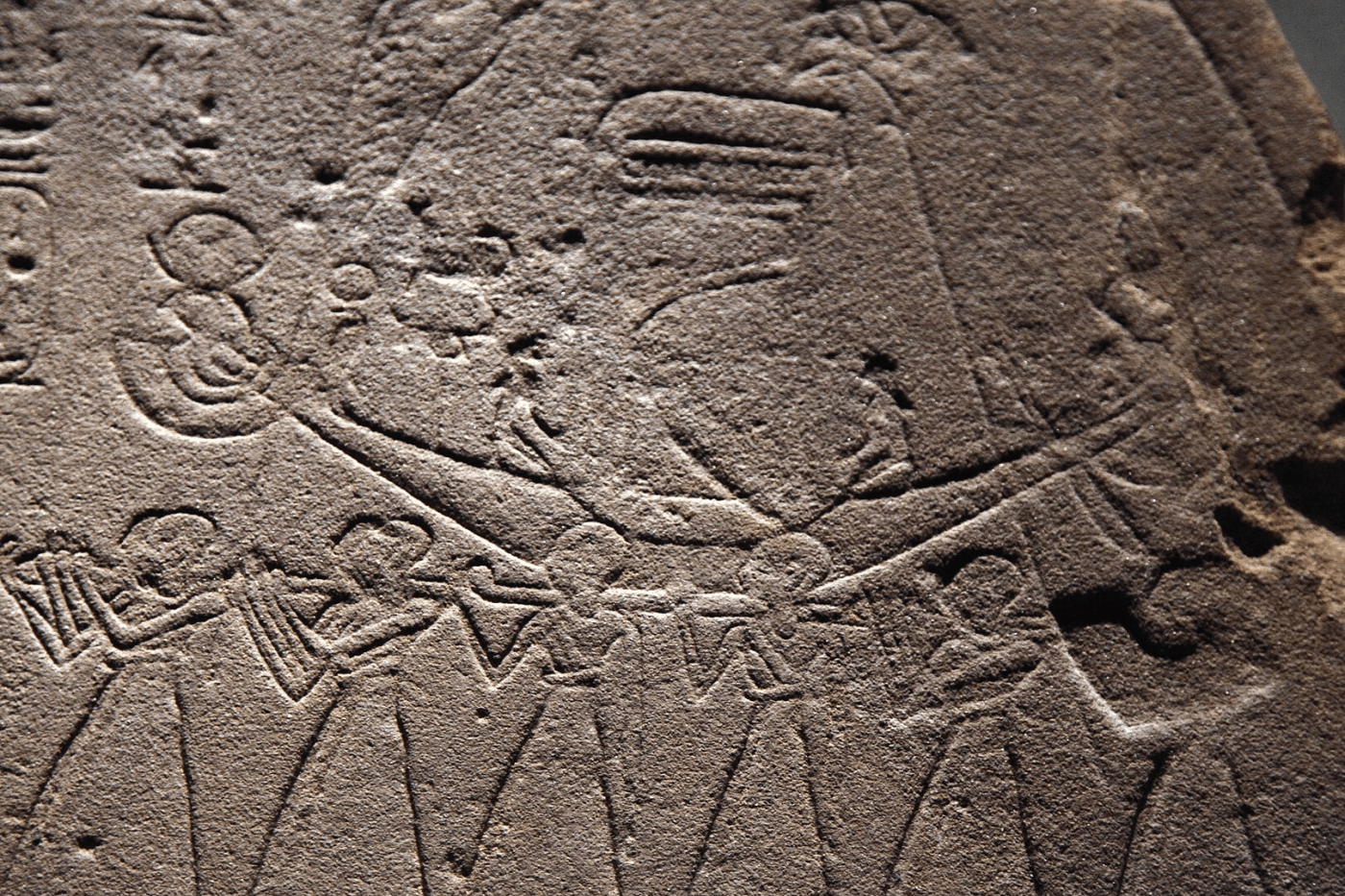
The ancient Egyptians are renowned for their advanced understanding of medicine and the human body. In their quest for effective remedies, they turned to the natural world, utilizing a variety of plants and substances in their treatments. One of the most notable ingredients in Egyptian poultices was honey. Known for its antibacterial properties, honey was mixed with herbs to create poultices that could be applied to wounds. This combination not only prevented infection but also promoted faster healing. The use of honey in poultices reflects the Egyptians’ deep knowledge of natural antiseptics and their innovative approach to medicine.
Native American Cultures and Their Relationship with Nature

Native American cultures have long held a profound connection with the natural world, viewing plants and animals as integral parts of their existence. This close relationship is evident in their medicinal practices, particularly in the use of poultices. Native Americans harnessed the healing properties of various plants to treat ailments ranging from pain and inflammation to insect bites. For instance, tobacco leaves were used in poultices to alleviate pain, while mashed berries were applied to soothe rashes and insect bites. The practice of creating poultices from locally available plants highlights the Native Americans’ deep understanding of their environment and their ability to utilize its resources for healing purposes.
Traditional Chinese Medicine: The Art of Herbal Remedies

Traditional Chinese Medicine (TCM) is a holistic system of healing that has been practiced for thousands of years. Central to TCM is the use of herbs and natural substances to restore balance and harmony within the body. Poultices, known as “gao” in Chinese, play a significant role in this system. TCM practitioners create poultices using a variety of herbs and minerals, each tailored to treat specific conditions. For example, ginger poultices are used to improve circulation and alleviate symptoms of cold and flu, while mustard seed poultices are applied to relieve muscle pain and stiffness. The meticulous preparation and application of poultices in TCM reflect the precision and depth of knowledge that characterize this ancient healing tradition.
European Folk Medicine: Practical and Resourceful Remedies

European folk medicine, shaped by centuries of tradition and practical knowledge, includes the use of poultices as a common remedy for various ailments. European poultices were often made from everyday materials such as bread, milk, and clay. Bread poultices, soaked in milk, were used to draw out infections from wounds, while clay poultices provided cooling and anti-inflammatory effects, making them effective for treating skin conditions and swelling. The use of such readily available materials underscores the resourcefulness of European folk healers and their ability to adapt their practices to the resources at hand.
African Cultures: A Deep Connection to Nature
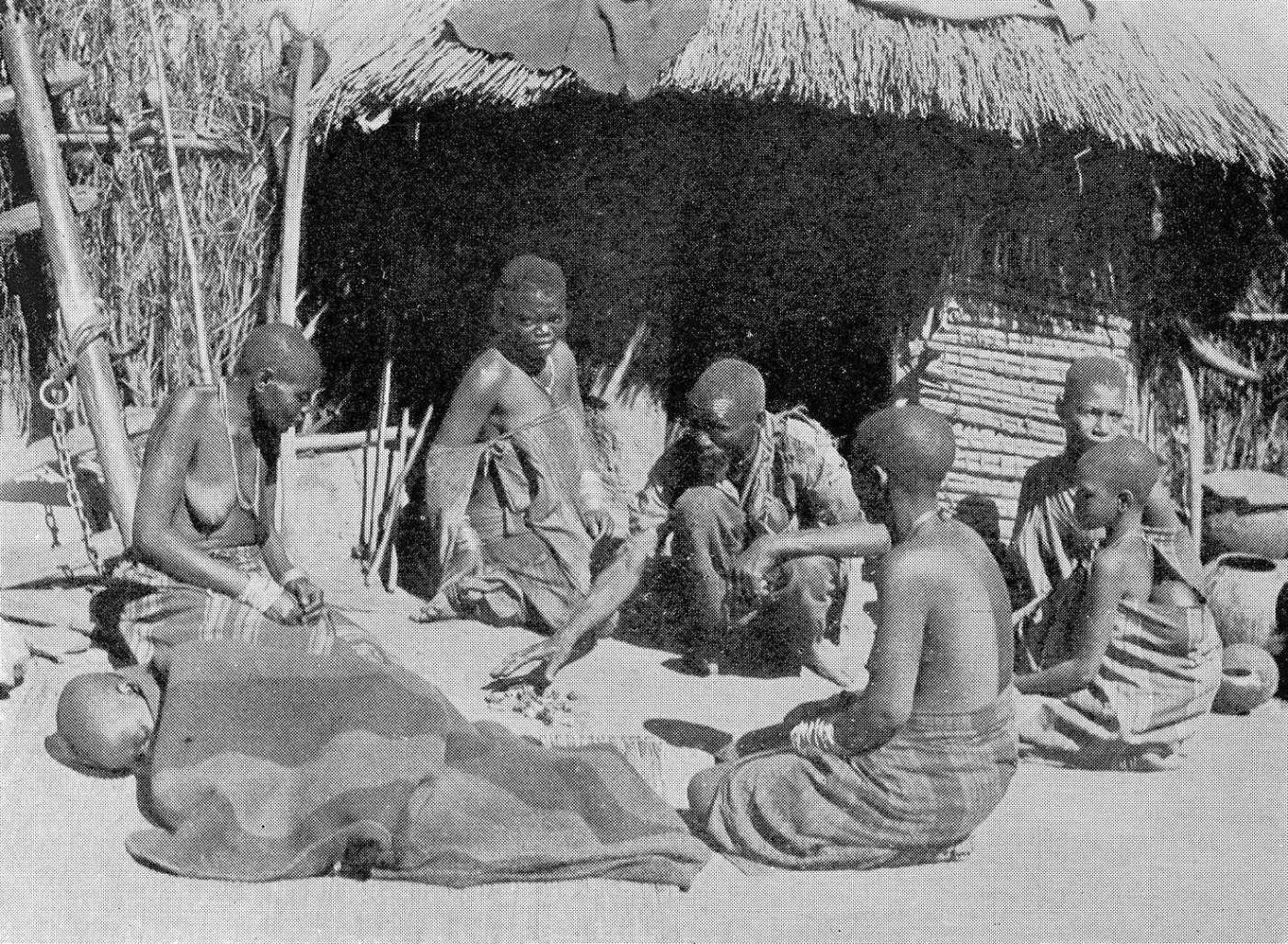
African traditional medicine is deeply rooted in the use of natural remedies, with poultices playing a significant role:
- In South Africa, traditional healers known as sangomas use poultices made from local plants to treat wounds and infections, often incorporating rituals to enhance the healing process.
- In West Africa, herbalists utilize indigenous plants like the bark of the African cherry tree to create poultices that reduce inflammation and pain.
- East African poultices often feature plants like aloe vera and neem leaves, known for their soothing and antiseptic properties.
- In Central Africa, traditional healers use a variety of herbs and plants in poultices, often accompanied by rituals to amplify their effectiveness.
These practices underscore the deep knowledge and respect for the natural world that is intrinsic to African cultures.
Poultices in the Modern Age
While modern medicine has given us a wide array of advanced treatments, poultices still hold their own, especially in alternative medicine and home remedies. Many people use poultices made from ingredients like activated charcoal to draw out toxins, or Epsom salts to soothe muscle pain. Some even turn to herbal poultices for skin conditions and infections.

The use of poultices is a testament to the universal human quest for effective healing practices. Across different cultures, the materials and methods may vary, but the underlying principle remains the same: harnessing the healing power of natural substances to alleviate pain and promote recovery. From the honey-laden poultices of ancient Egypt to the herb-infused remedies of Traditional Chinese Medicine, each culture’s unique approach to poultices reflects their deep-rooted knowledge and respect for the natural world. In a modern context, these traditional practices continue to offer valuable insights into the art of healing and the timeless connection between humanity and nature.