


Table of Contents
Fundamental Lamb’s Ear Facts
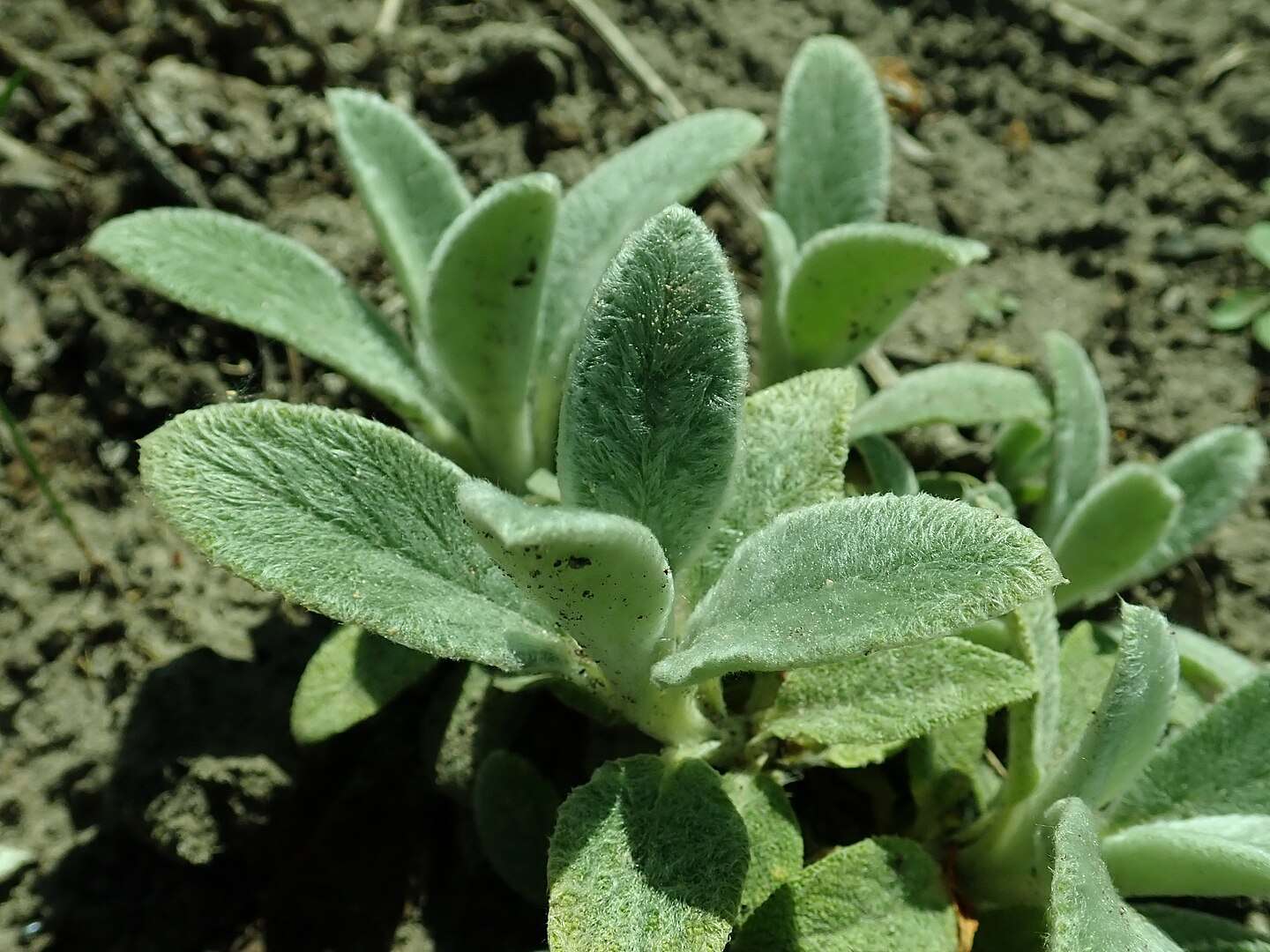
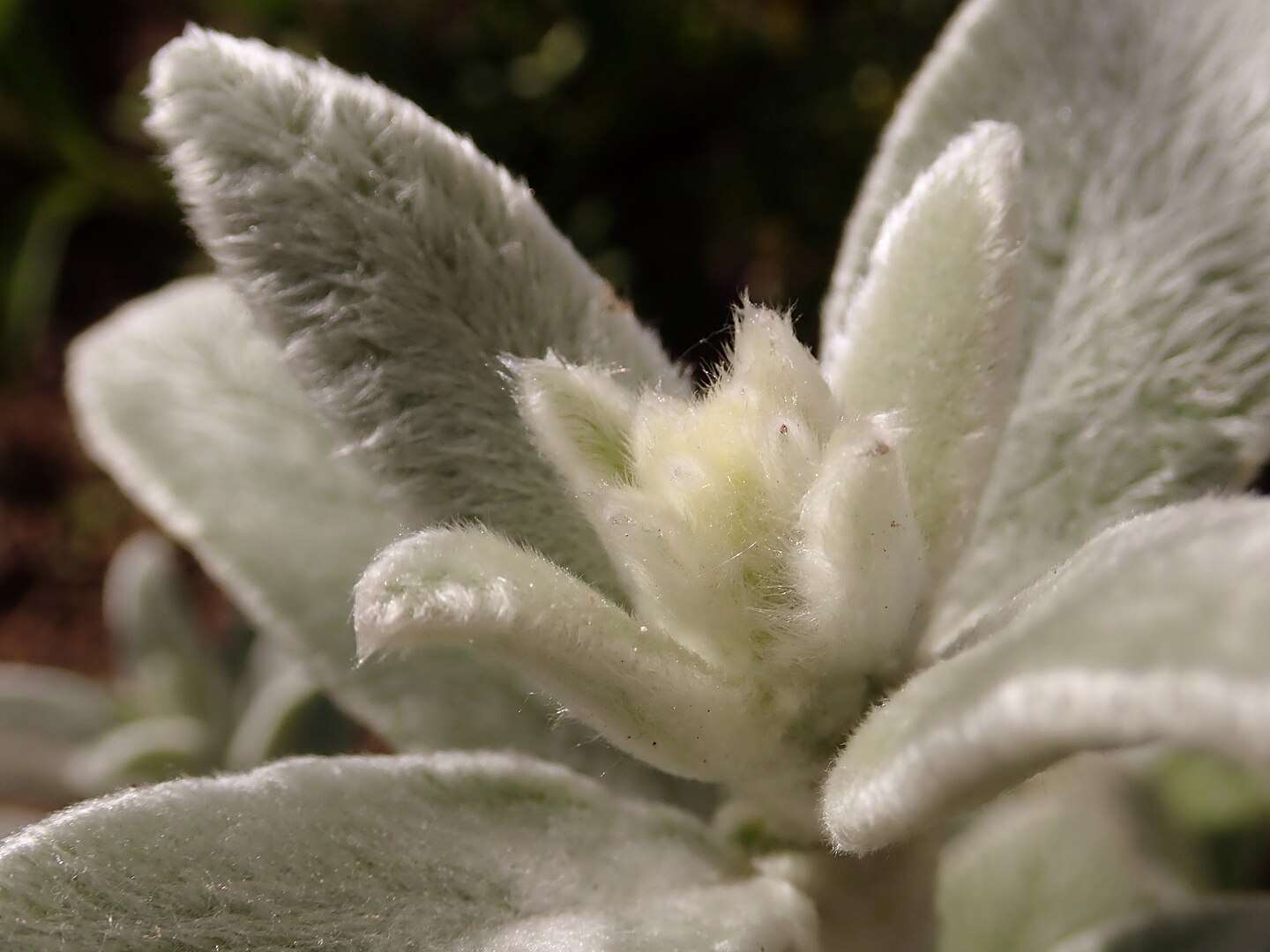
| Scientific Name | Stachys byzantina |
| Common Aliases | Lamb's Ear, Donkey's Ear, Woolly Betony, and Woolly Hedge Nettle |
| Pet Safe? | Yes |
| Toxicity | Stachys byzantina is generally considered non-toxic to humans and pets, though some animals may have mild allergic reactions to the fuzzy leaves |
| USDA Hardiness Zone | 4-8 |
| Beneficial Species Pairings | Lavender (Lavandula spp.), Salvia (Salvia spp.), Sedum (Sedum spp.), Yarrow (Achillea millefolium), Roses (Rosa spp.), Russian Sage (Perovskia atriplicifolia), Daylilies (Hemerocallis spp.), and Black-eyed Susan (Rudbeckia hirta) |
| Growth Rate | Moderate |
| Mature Size | 0.5 to 1.5 feet (23-46 cm) in height; 1 to 1.5 feet (30-46 cm) spread |
Lamb’s Ear Care Requirements
| Light Requirements | Direct sunlight; can tolerate indirect bright light or dappled shade |
| Temperature Range | 60-75°F (15-24°C), but can tolerate temperatures down to -20°F (-29°C) in winter |
| Repotting Frequency | If growing in a container, repot if the plant becomes rootbound or every 2 years to replenish nutrients in the soil |
| Soil Type | Prefers a well-draining garden soil mix that's rich in calcium carbonate. |
| Soil pH | pH 6.0 to 7.5 (slightly alkaline) |
| Preferred Humidity Level | Low |
| Watering Frequency | Infrequent: Water when the top inch or 2 of the soil is dry. This plant is drought-tolerant and does not do well in wet conditions. |
| Preferred Watering Methods | Base watering (avoid getting the leaves wet to prevent rot) |
| Air Circulation | Good air circulation helps to prevent fungal diseases |
| Fertilizer Types | Balanced, slow-release fertilizer during the growing season (spring to fall) |
| Fertilizing Frequency | Timed release at the beginning of the season is adequate; monthly for other types |
| Terrarium Plant? | No |

Lamb’s Ear Notable Needs
| Signs of Dormancy |
|
| Seasonal Care Adjustments | Reduce watering and protect from excessive moisture during winter months |
| Support Requirements | None |
| Pruning Requirements | Minimal; remove any dead or damaged foliage when present |
| Cleaning Requirements | None |
| Pests to Watch For | Slugs and Caterpillars |
| Potential Diseases | Powdery mildew and Leaf rot is common in high humidity |
Lamb’s Ear Propagation
| Propagation by Seed | Yes |
| Seed Timing | Early spring or autumn |
| Seed Steps |
|
| Propagation by Division | Yes |
| Division Timing | Spring or autumn |
| Division Steps |
|
| Propagation by Stem Cuttings | Yes |
| Stem Cuttings Timing | Spring or early summer |
| Stem Cuttings Steps |
|
| Propagation Notes | Stachys byzantina is relatively easy to propagate as long as proper humidity levels are maintained. |
Where to Buy Lamb’s Ear Seeds
Bestseller No. 1
Bestseller No. 2


Recommended Soil Mix

Miracle-Gro Organic Raised Bed & Garden Soil with Quick Release Natural Fertilizer, Peat Free, 1 cu. ft., 2-Pack
- Miracle-Gro Organic Raised Bed & Garden Soil is a soil blend with quick release natural fertilizer
- Feeds plants for up to 2 months
- This organic soil blend is peat free and formulated with upcycled green waste