Bracts are special leaves found on some plants. In most cases they serve the purpose of attracting pollinators with their bright colors, but some bracts use sound to do so!
There’s a vine native to Cuba called Marcgravia evenia that has concave bracts that serve to reflect sonar pulses from passerby Antillian long-tongued bats so that they can locate the vine’s flowers for pollination. The Bonean pitcher plant, Nepenthes hemsleyana also has similarly shapes bracts that attract bats to their pitchers using sound so that they’ll defecate into them and provide the plant with nutritional resources.

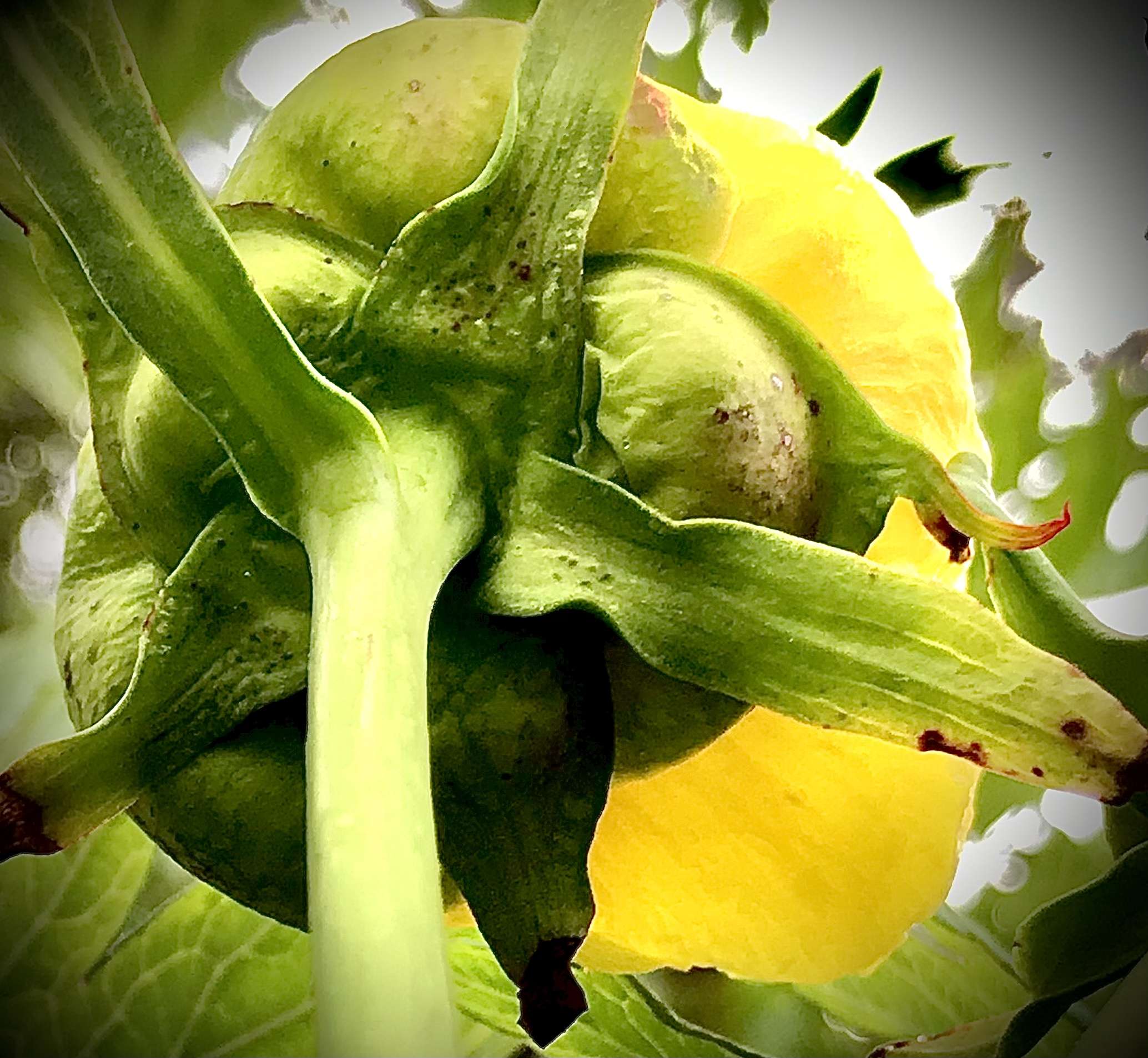
Bracts on plants may also serve as protectors of delicate flower buds when they are in their development stage.
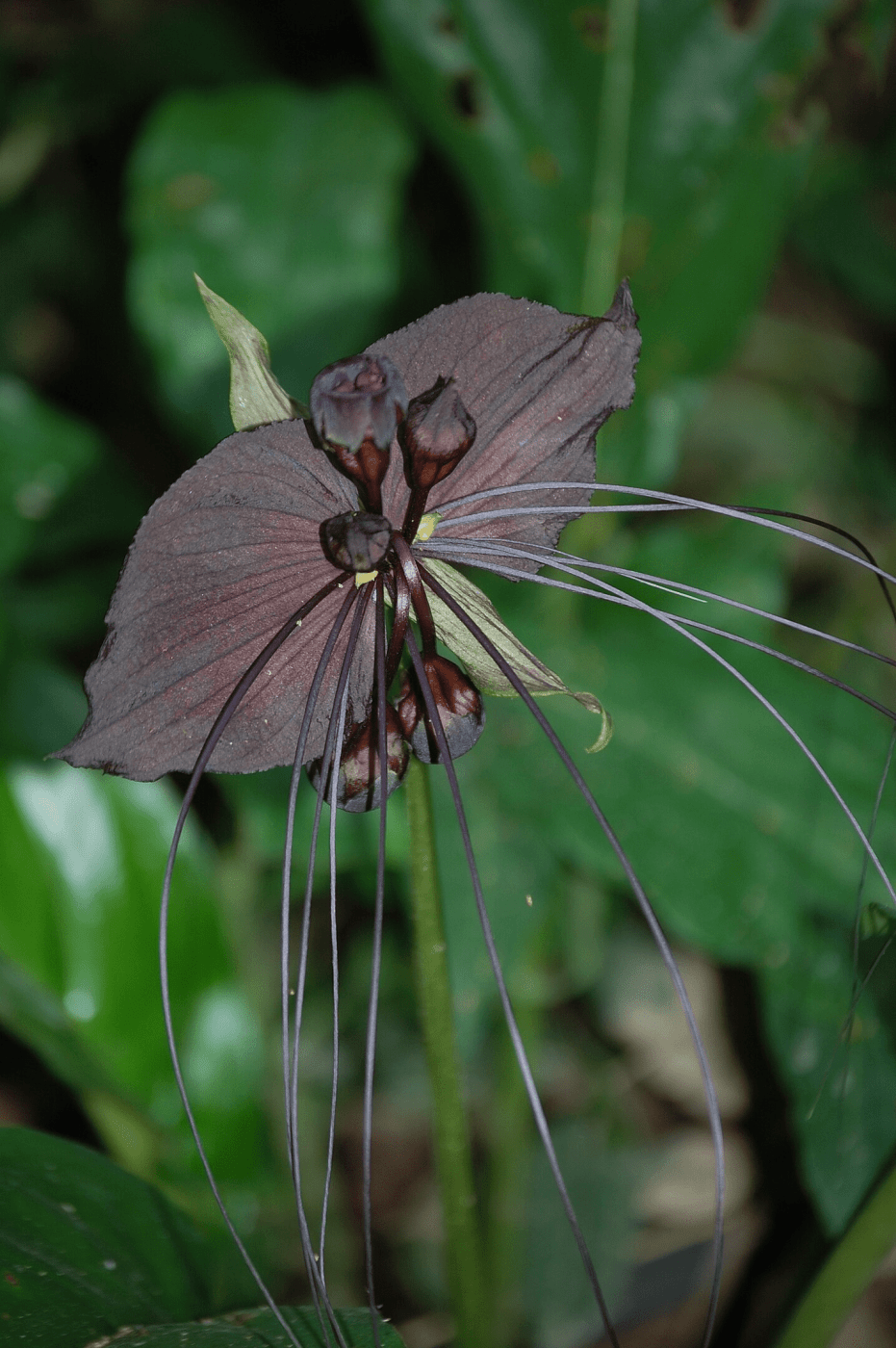
There are many botanical specimens with bracts such as the poinsettia (Euphorbia pulcherrima), the artichoke (Cynara scolymus) and plants within the Bouganvillea species. The Tacca species, which includes the gothic-favorite Bat Flower (Tacca chantrieri), has a dramatic whorl of wing-shaped bracts with long whisker-like bracteoles (a term to describe smaller bracts on a plant with the larger variety). Tacca‘s bracts are some of the most striking in the Flora kingdom.