


In the savage realms of the desert, where life clings to existence with tenacity and resilience, there lurks a menace both minute and malevolent: the glochid. These hair-like spines, found on the areoles of cacti in the sub-family Opuntioideae, are nature’s cruel jest, a defense mechanism that inflicts torment upon any creature unfortunate enough to brush against them.
Glochids, though diminutive, are formidable. These tiny barbed spines are clustered in tufts around the larger, more conspicuous spines of cacti such as the prickly pear and cholla. Glochids detach with the slightest touch, embedding themselves into the skin of their victims. Their barbs, designed to resist removal, make extraction a painstaking and often futile endeavor.
These spines are not merely physical irritants; they are harbingers of prolonged suffering. Once lodged in the skin, glochids can cause immediate irritation, followed by a burning, itching sensation that can persist for days or even months if not properly treated1. The barbs can break off under the skin, leading to granulomatous dermatitis, a condition marked by painful, inflamed lesions2.
The Macabre Mechanism

The glochid’s barbed structure is a marvel of natural engineering, a microscopic nightmare designed to maximize pain and suffering. Each spine is tipped with backward-facing barbs that anchor it firmly into the flesh. Attempts to remove them often result in the barbs breaking off, leaving fragments embedded in the skin2. This design ensures that the victim’s torment remains a lingering reminder of the cactus’s formidable defenses for a long time.
The glochid is a perfect symbol of nature’s darker side and embody the idea that the most insidious threats are often the ones we cannot see. These tiny spines, almost invisible to the naked eye, are capable of inflicting disproportionate agony. They are the desert’s silent sentinels, guarding their host plants with a cruelty that belies their size.


The Dance of Death and Defense
The presence of glochids on cacti serves a dual purpose: defense and moisture conservation. These spines are actually modified leaves, evolved to minimize water loss through evaporation2. In the harsh, arid environments where cacti thrive, every drop of moisture is precious. The glochids, by deterring herbivores and other threats, help ensure the plant’s survival.
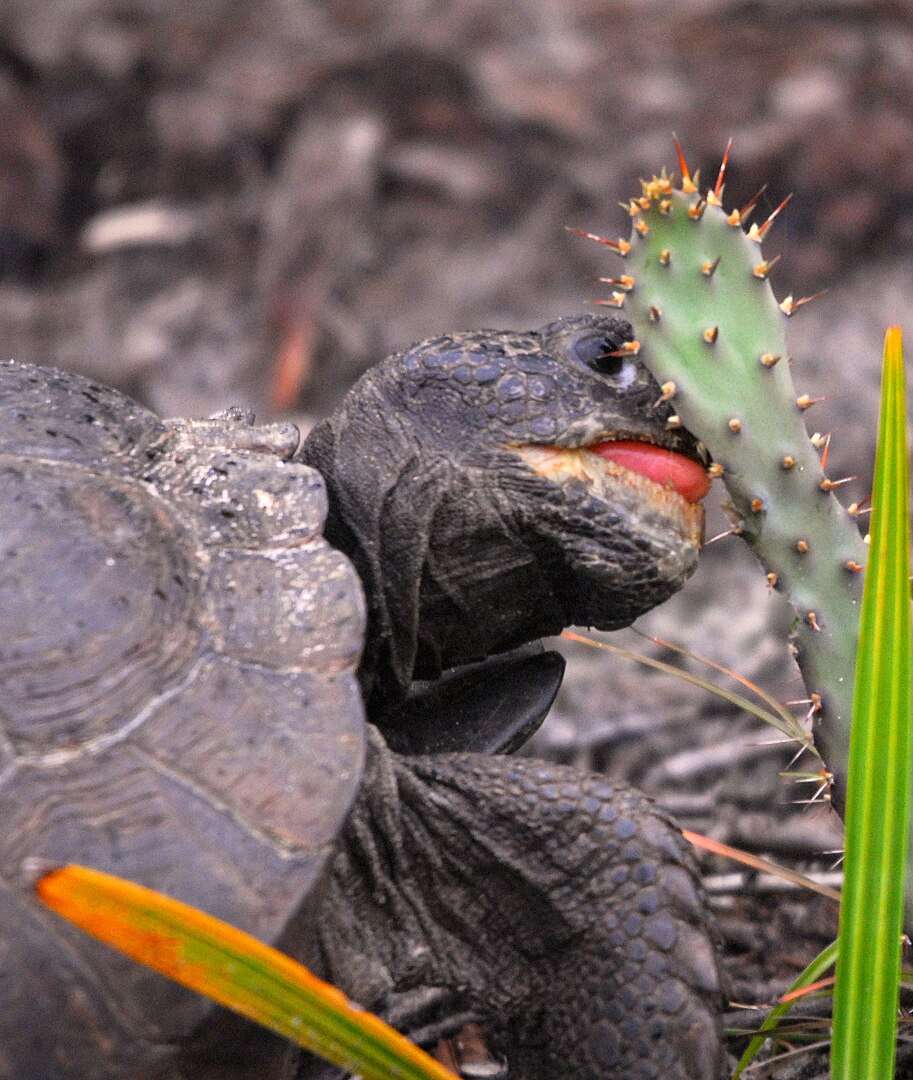
Yet, this defense comes at a cost to any creature that dares to challenge it. The glochids’ barbs can penetrate deeply into the skin, causing not only immediate pain but also potential infection. The wounds they inflict can fester, leading to further complications if not properly treated1. Glochids have been known to cause temporary and permanent blindness in animals and humans. In this way, the glochid’s defense mechanism is both a testament to the cactus’s resilience and a grim reminder of nature’s capacity for cruelty.


The Human Encounter
For humans, an encounter with glochids can be a nightmarish experience. The spines are so fine that they are often difficult to see, making removal a challenge. Tweezers, duct tape, and magnifying glasses become essential tools in the battle against these tiny tormentors2. Even with these tools, the process is painstaking and often incomplete, with barbs remaining embedded in the skin, causing prolonged irritation.

The symptoms of a glochid encounter can vary, from mild itching and redness to severe pain and swelling. In some cases, the irritation can spread to other parts of the body, including the eyes and mouth, if the spines are inadvertently transferred1. The psychological impact of such an encounter should not be underestimated; the persistent discomfort and the difficulty of removing the spines can lead to a sense of helplessness and frustration.
In their minute form, they encapsulate the gothic interplay of beauty and suffering, a reminder that even the smallest elements of nature can wield great power. As we navigate the thorny paths of life, the glochid’s lesson is clear: beware the unseen, for it often harbors the greatest pain.
